Beef science
Beef color explained
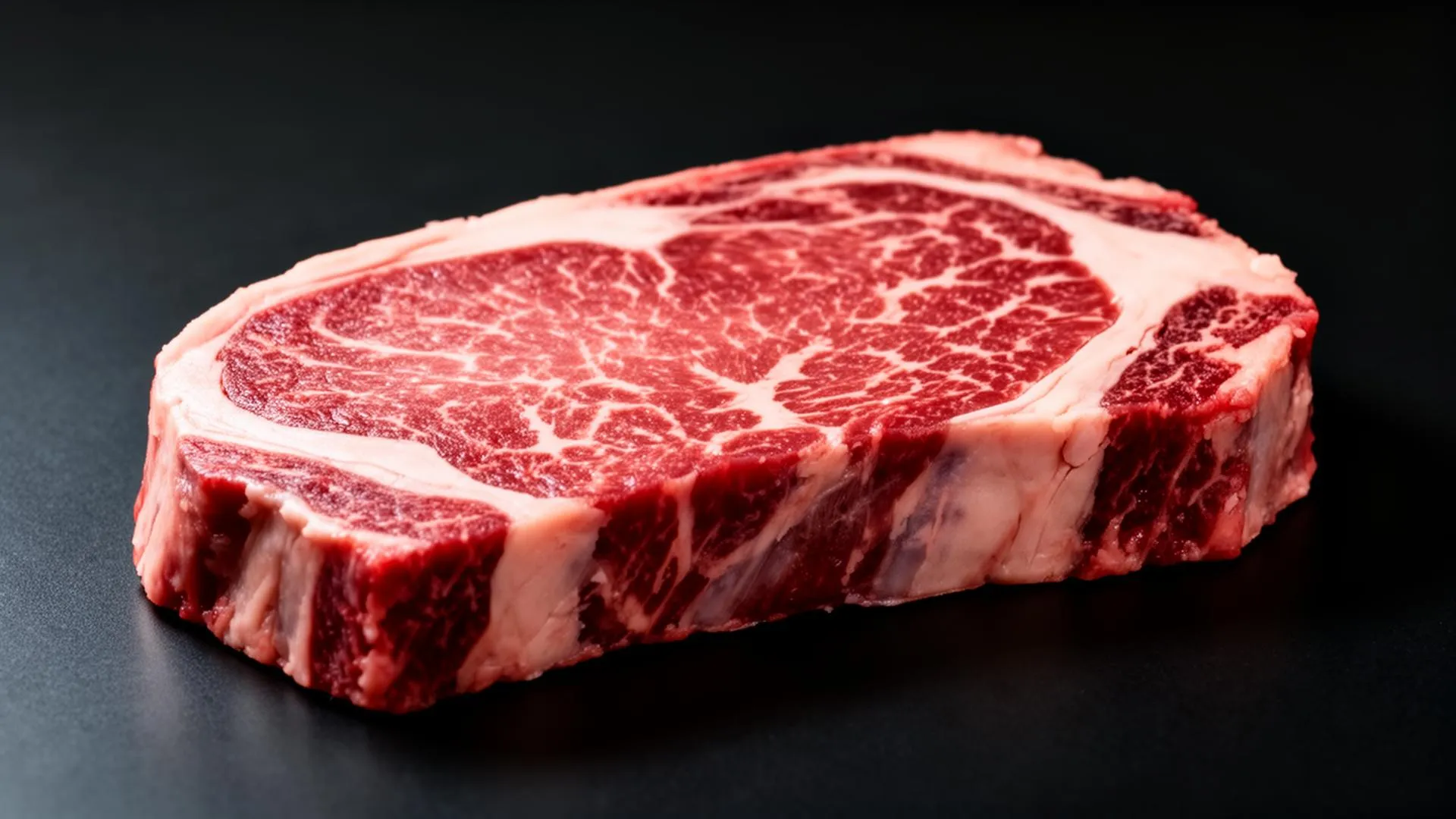
Beef color is determined by the state of myoglobin, an iron-containing protein in muscle tissue. Fresh beef exposed to air shows bright cherry-red (oxymyoglobin, oxygenated). Vacuum-packed beef is deep purple-red (deoxymyoglobin, no oxygen). Old or improperly stored beef turns brown or grey (metmyoglobin, oxidized further). Each state is a chemical signal about freshness and storage history, not necessarily a safety verdict.


Background
Myoglobin sits inside muscle cells and binds oxygen during the animal's life, similar to how hemoglobin works in blood. After slaughter, surface myoglobin reacts with whatever oxygen is available. With air contact, it oxygenates and turns bright cherry-red within 15 to 30 minutes. Without air (vacuum packaging), it stays in its deep-purple deoxygenated state. Over hours to days of air exposure, the oxymyoglobin oxidizes further and converts to metmyoglobin, which is brown.
Myoglobin concentration varies by muscle. Heavily-worked muscles (skirt, hanger, leg, shoulder) have more myoglobin and look darker red than less-worked muscles (tenderloin, ribeye). Older animals have more myoglobin per unit muscle than younger animals. This is why beef from a mature steer naturally looks darker than beef from a young calf, and why some cuts (skirt, hanger) appear almost burgundy compared to ribeye cherry-red.
Read the full meat-quality guide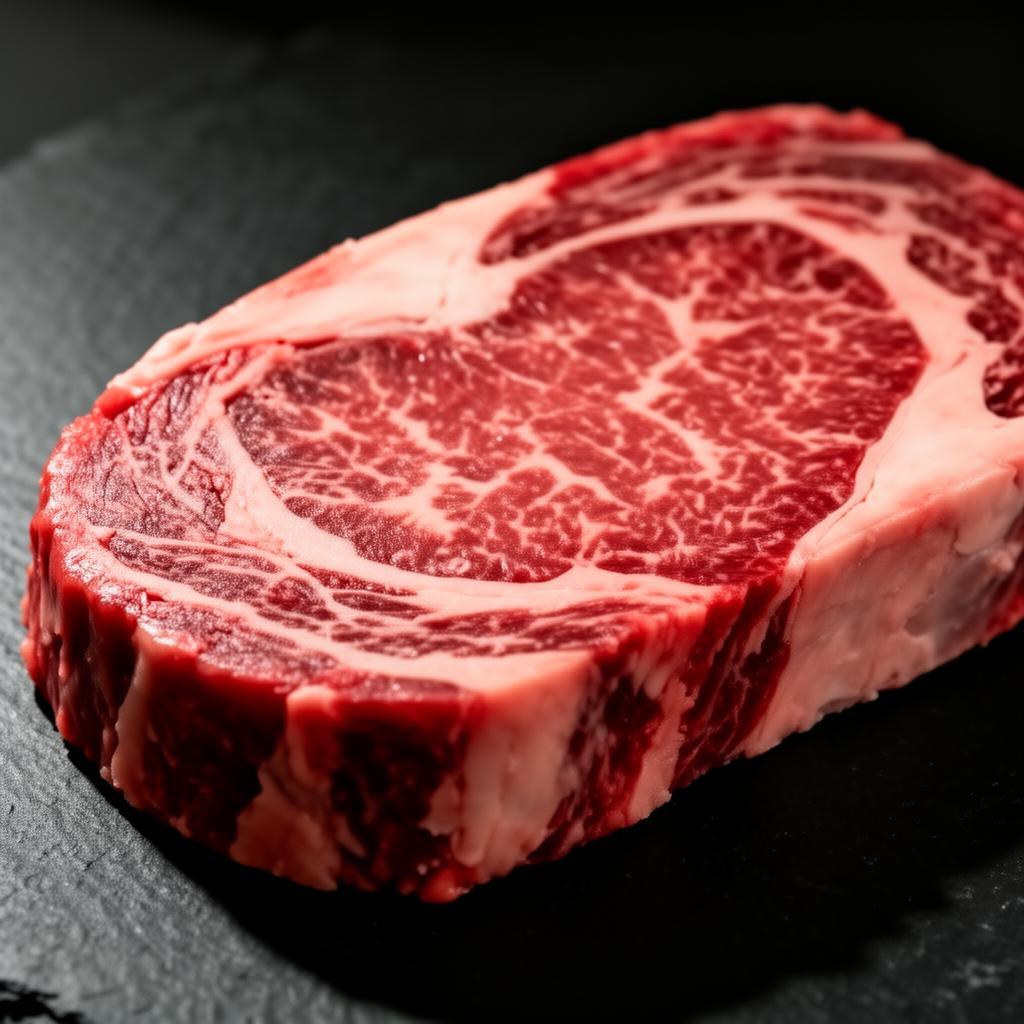
Key points
What to remember
Color comes from myoglobin, an iron-containing oxygen-binding protein
Cherry-red = oxymyoglobin (fresh beef in contact with air)
Deep purple = deoxymyoglobin (vacuum-packed, no air contact, normal)
Brown or grey = metmyoglobin (oxidized, indicates extended air exposure)
Heavily-worked muscles have more myoglobin and look darker; tenderloin is lighter than skirt
Color is a freshness signal, not a safety verdict; smell is more reliable for spoilage
FAQ
Common questions about beef color explained
What people ask most about this topic.
Keep reading
More on beef quality
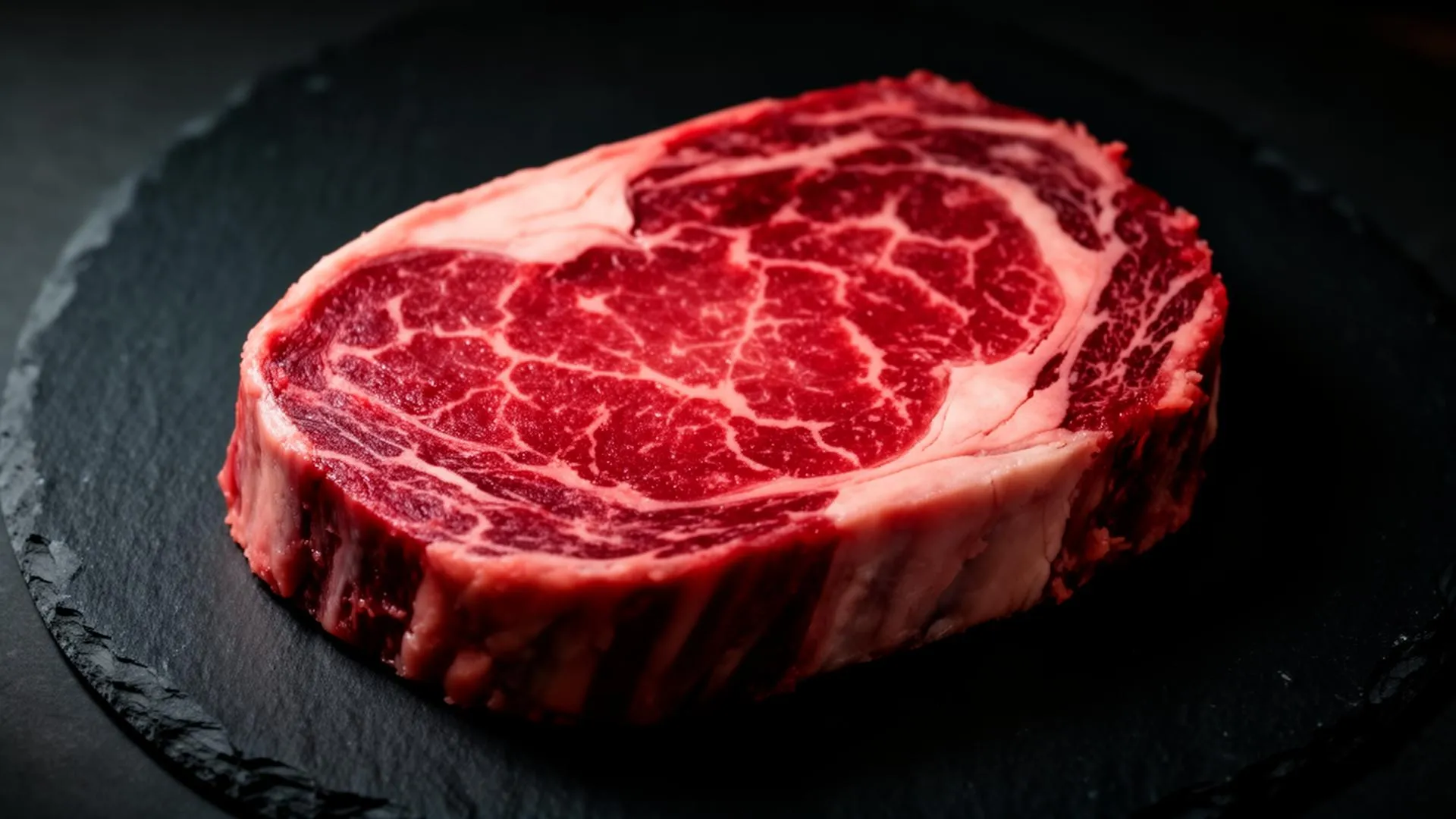
Score your next cut from a photo
Photograph any beef cut and see how it grades against the regional system you select.