Cooking method
Best cuts for grilling
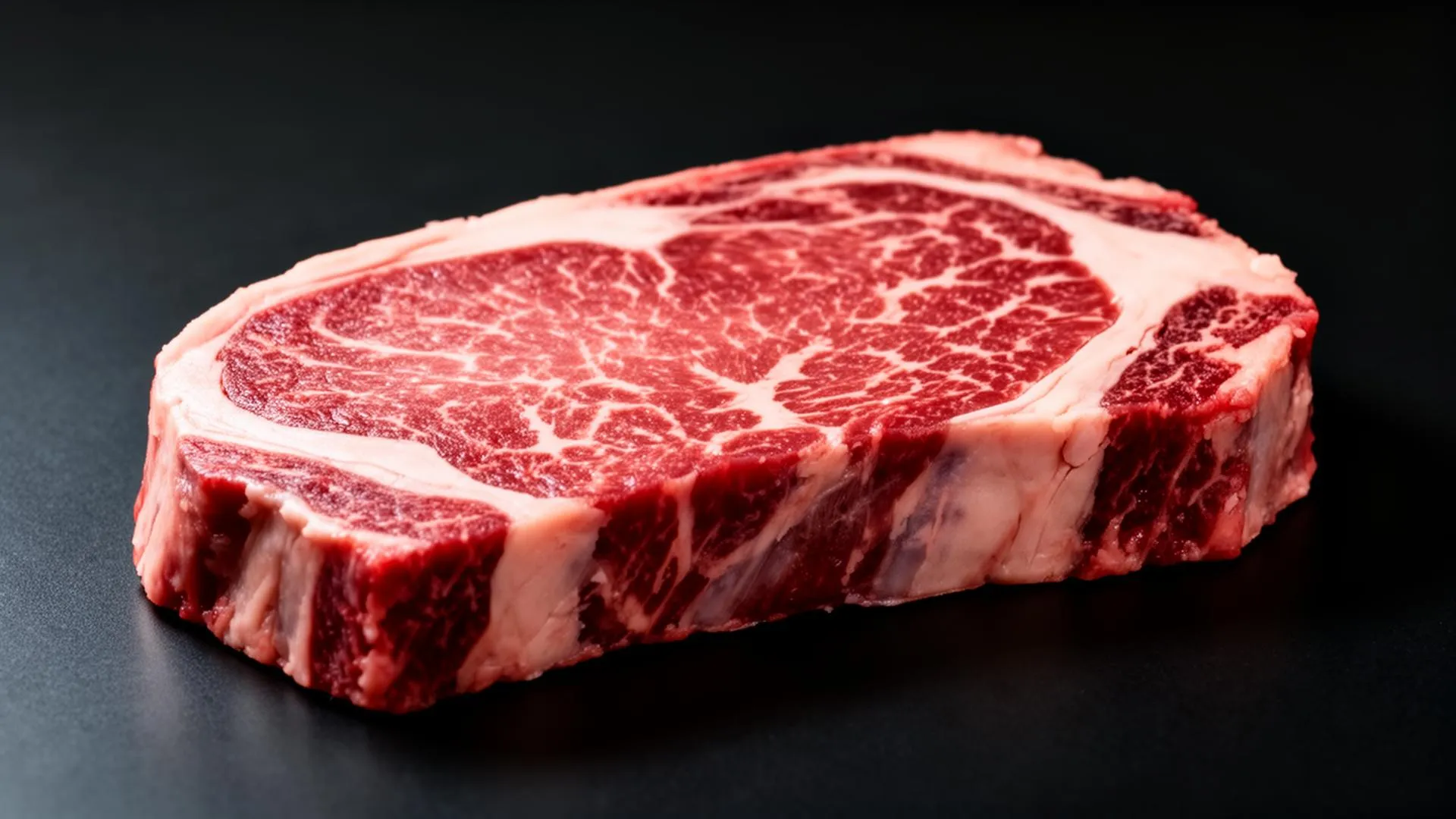
The best beef cuts for grilling are naturally tender muscles with enough marbling to stay juicy at high heat: ribeye, strip steak, tenderloin, tomahawk, T-bone/porterhouse, picanha, hanger, flank, skirt, Denver, and flat iron. Ideal thickness is 1 to 2 inches (2.5 to 5 cm). Cuts with heavy connective tissue (chuck, brisket, short rib English-cut, shank) are wrong for direct grilling because the collagen requires hours of low heat to break down.


Background
Grilling is fast, dry, high-heat cooking. It works for muscles that are already tender raw, where the fast surface searing develops Maillard browning while the interior comes up to medium-rare without overcooking. Loin cuts (strip, tenderloin, T-bone), rib cuts (ribeye, tomahawk), and the modern shoulder discoveries (Denver, flat iron) are the classics. Premium grass-fed cuts (picanha) and beefy thin cuts (skirt, flank, hanger) round out the list when handled correctly.
Thickness matters as much as cut. Below 1 inch (2.5 cm), even premium cuts overcook before the surface caramelizes. Above 2 inches (5 cm), reverse-searing (low oven first, then hot grill) produces more even doneness than direct grilling alone. The standard professional "thumb rule" for grilling is 1.5 inches (4 cm) for steaks and around 1 inch for thinner cuts like skirt and flank.
Read the full meat-quality guide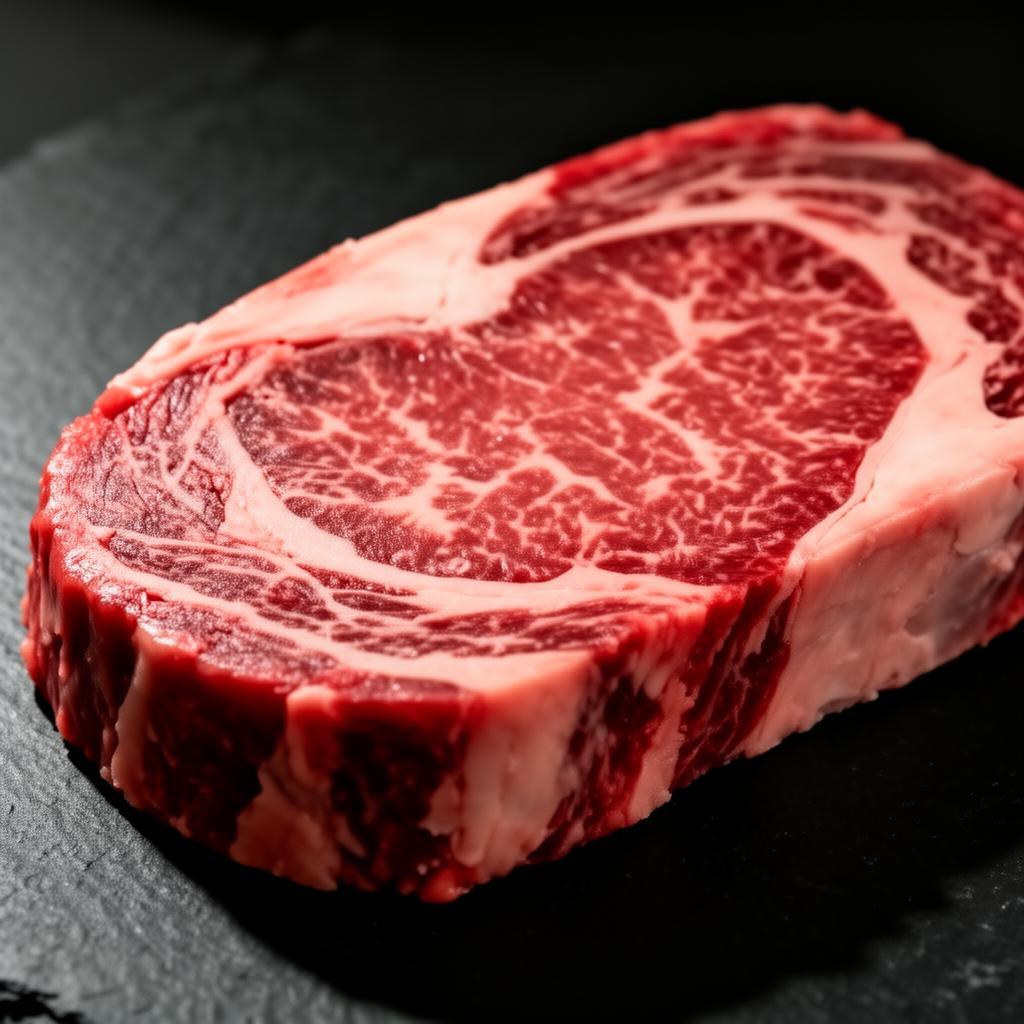
Key points
What to remember
Premium grilling cuts: ribeye, strip, T-bone, porterhouse, tomahawk, tenderloin
Value grilling cuts (chuck-region but tender): Denver, flat iron, hanger
Thin grilling cuts (slice across grain after): flank, skirt
Brazilian-style grilling: picanha (whole or thick steaks)
Wrong for grilling: chuck roast, brisket, shank, oxtail, short rib English-cut
Ideal thickness: 1 to 2 inches; under 1 inch overcooks fast, over 2 inches benefits from reverse-sear
FAQ
Common questions about best cuts for grilling
What people ask most about this topic.
Keep reading
More on beef quality
Score your next cut from a photo
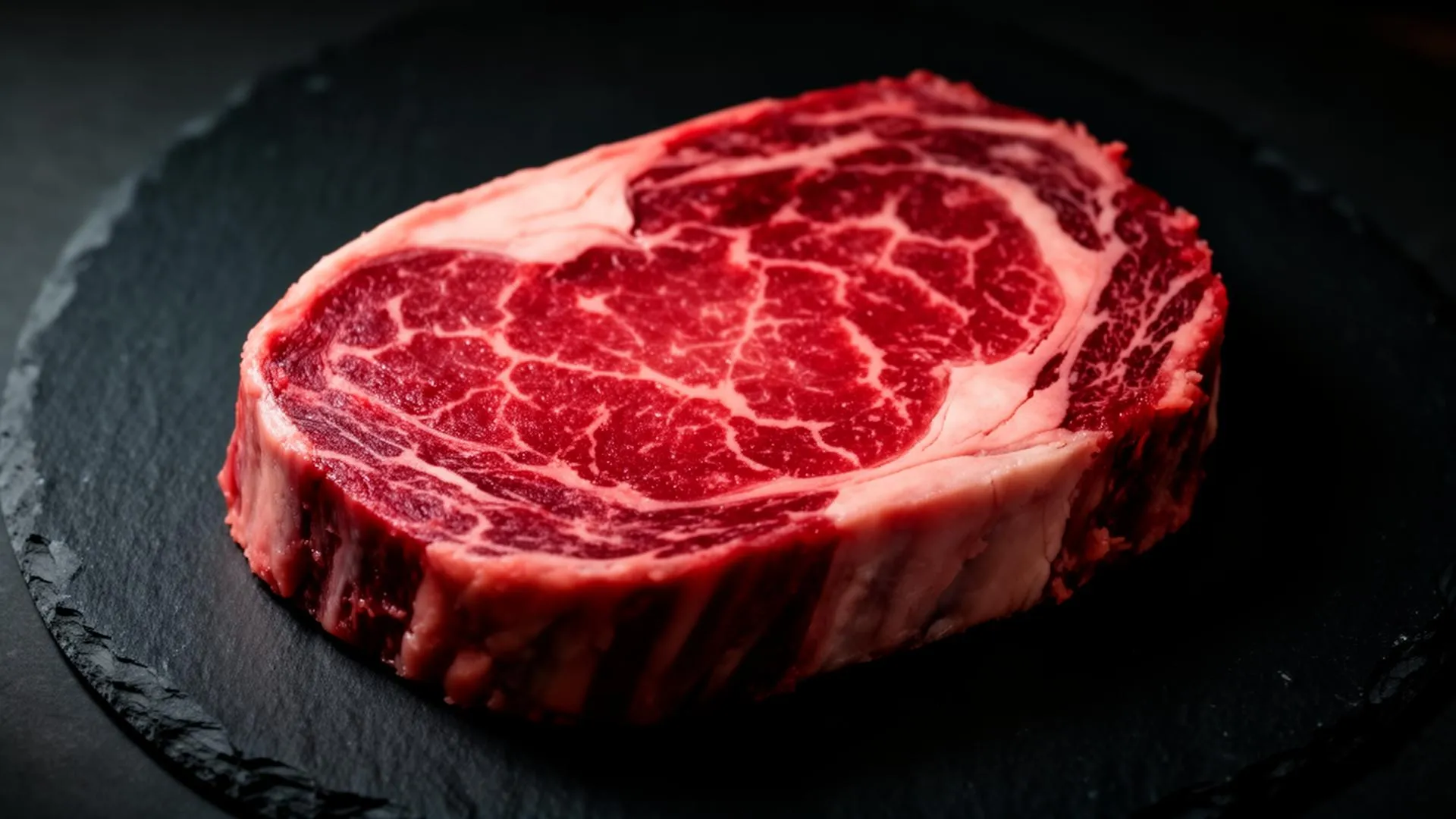
Photograph any beef cut and see how it grades against the regional system you select.