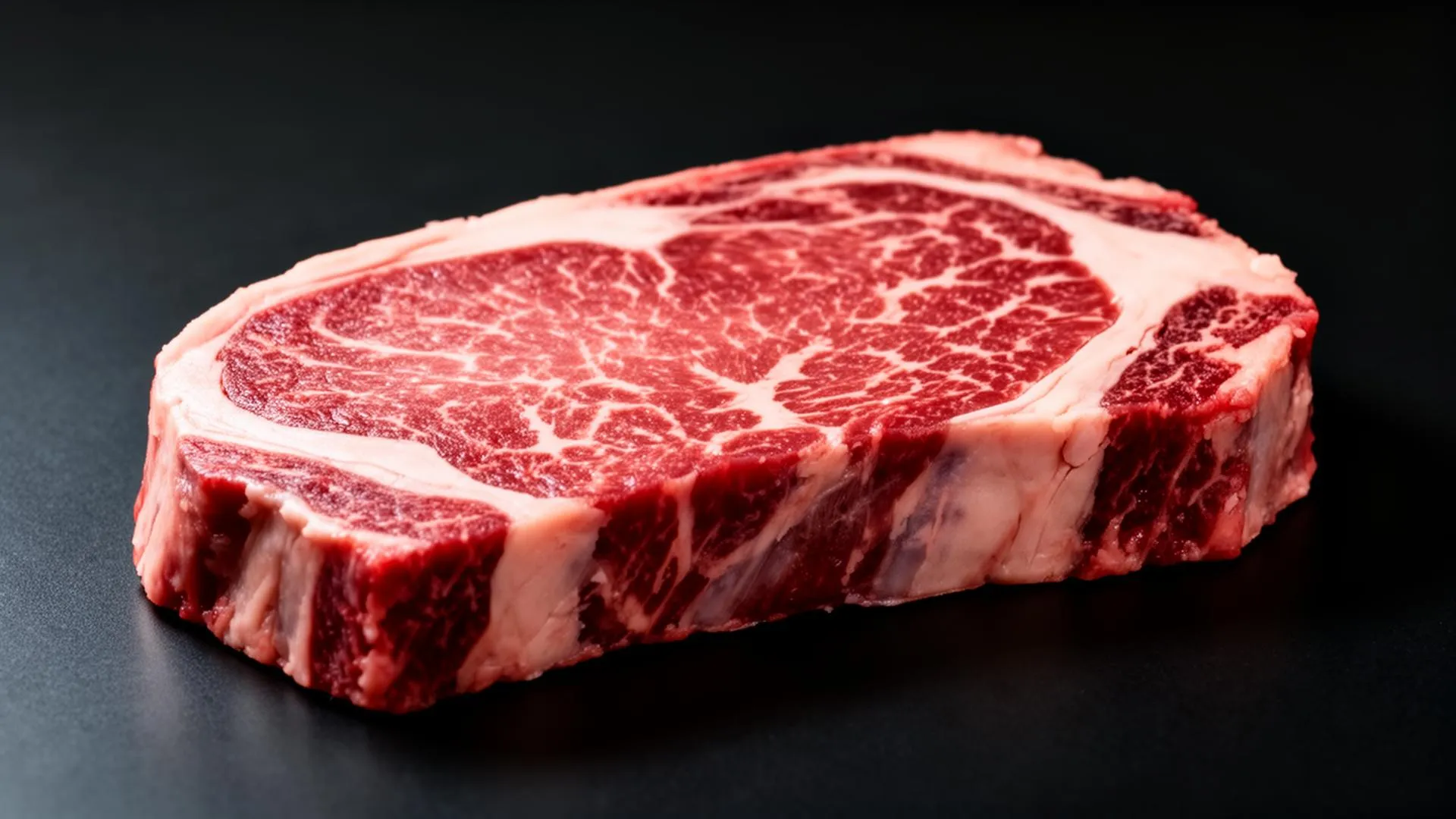
Beef aging
Dry-aged vs wet-aged
Dry-aged beef is hung in a temperature- and humidity-controlled environment for 21 to 60+ days, during which surface moisture evaporates, natural enzymes break down proteins (improving tenderness), and complex nutty/funky flavors develop. Wet-aged beef is vacuum-sealed and aged in its own juices for 7 to 28 days, gaining tenderness from enzymatic breakdown but no flavor concentration. Dry-aged is more flavorful and tender but more expensive (15 to 30% weight loss in trim and evaporation); wet-aged is the industry default.


Background
Both methods rely on the same underlying mechanism: natural enzymes (calpains and cathepsins) inside the muscle slowly break down protein structures, tenderizing the meat over weeks. The difference is the environment. Wet aging (vacuum-sealed Cryovac, what most US butchers practice) is cheap, predictable, and yields tender beef without changing flavor. Dry aging (open-air, controlled temperature and humidity) costs more but produces dramatic flavor concentration as moisture evaporates and the surface develops mold colonies that contribute earthy, blue-cheese, nutty notes.
Dry aging requires careful control: 1 to 3°C / 34 to 38°F, 80 to 85% relative humidity, gentle airflow, and clean surfaces. Without that control, the meat spoils rather than ages. Premium dry-aged beef is typically 28 to 45 days; specialist butchers offer 60+ day "extreme" aging for connoisseurs. After aging, the dark dried "bark" is trimmed off (15 to 30% weight loss), leaving the dense, concentrated interior. The trim loss plus the labor and refrigeration are why dry-aged retails at 50 to 100% premium over wet-aged of the same grade.
Read the full meat-quality guide
Key points
What to remember
Both methods use the same enzymatic tenderization mechanism
Wet-aged: vacuum-sealed, 7 to 28 days, tenderizes only, no flavor change
Dry-aged: open air, 21 to 60+ days, tenderizes + concentrates flavor + adds funk
Dry aging requires precise temperature, humidity, and airflow control
Dry-aged trim loss is 15 to 30%, which drives most of the price premium
Wet-aged is the industry default; dry-aged is a specialty offering
FAQ
Common questions about dry-aged vs wet-aged
What people ask most about this topic.
Keep reading
More on beef quality
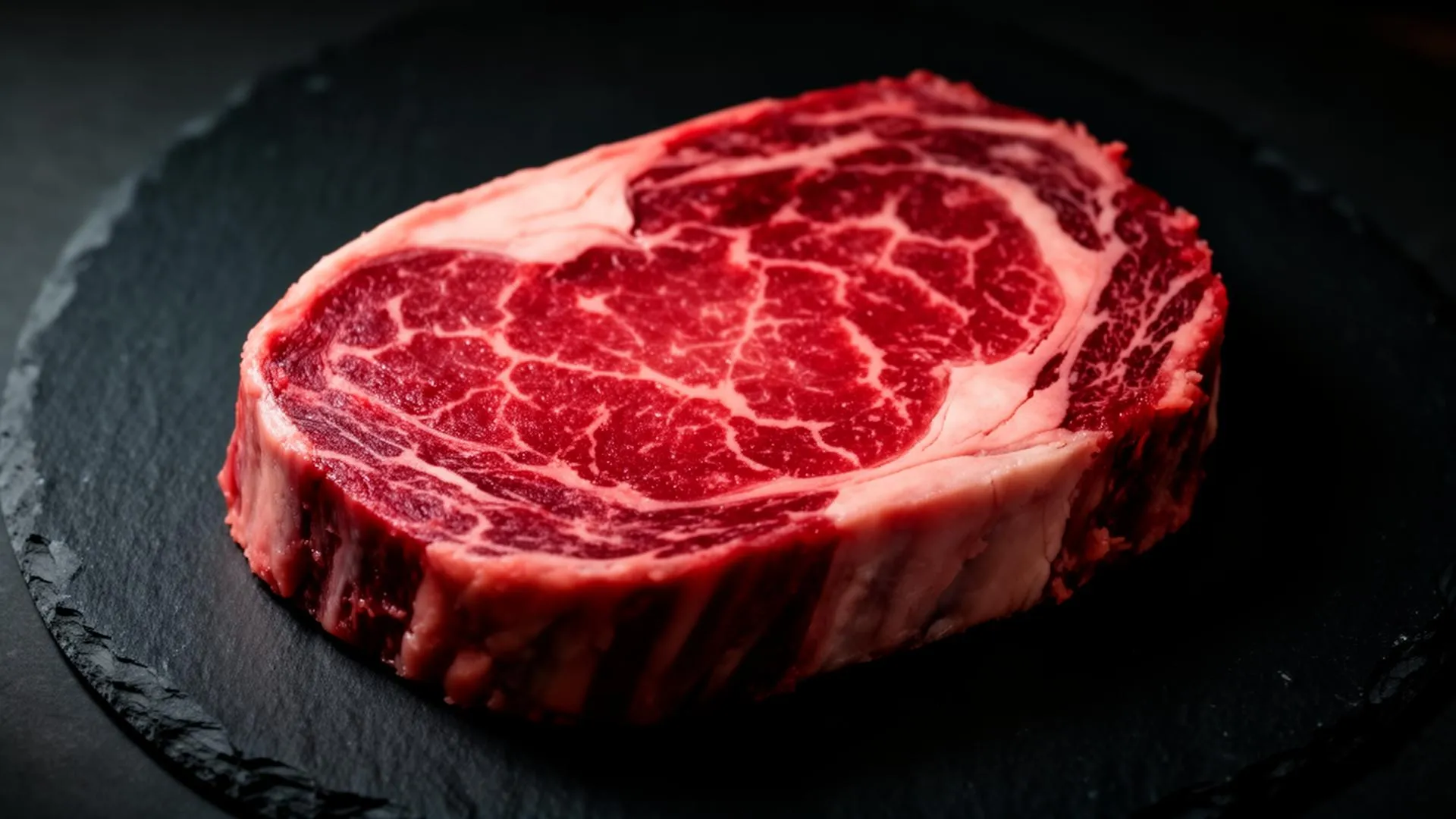
Score your next cut from a photo
Photograph any beef cut and see how it grades against the regional system you select.