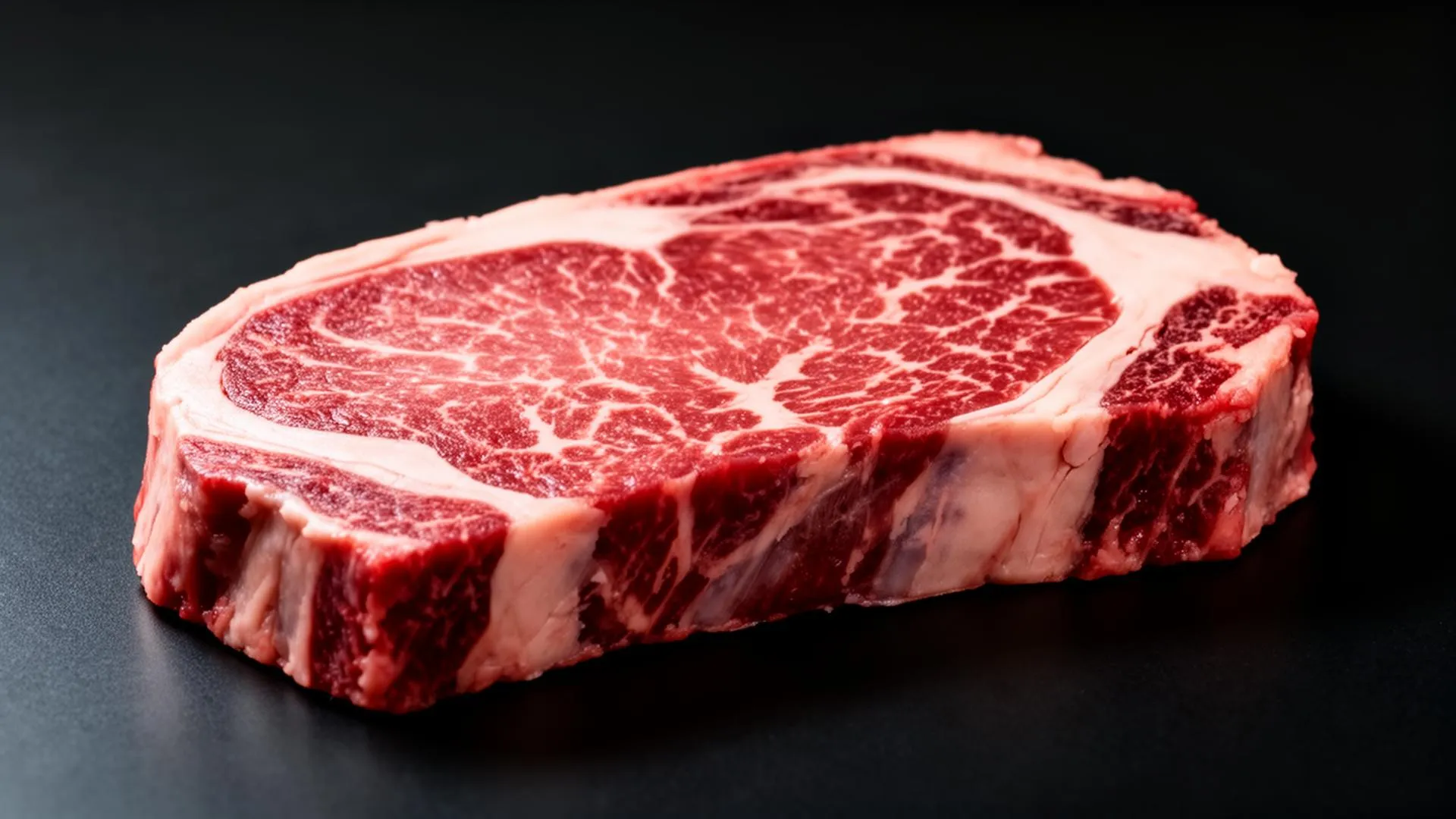
Religious preparation
Halal vs Kosher beef
Halal and kosher beef are both religiously-prepared meats with overlapping slaughter requirements: a single rapid cut to the throat by a trained slaughterer who recites a prayer, draining the blood, with the animal alive and conscious at the moment of slaughter. They differ in certification (halal: Muslim authority; kosher: Jewish rabbinical authority), final-product rules (kosher restricts certain hindquarter muscles unless deveined; halal does not), and the specific prayers and protocols.


Background
Both traditions descend from ancient Near Eastern butchery practices and share an emphasis on humane, swift slaughter and complete blood drainage. The slaughterer must be trained and observant of the relevant religion. The animal must be healthy and alive at the moment of slaughter. The cut is a single fast pass with a sharp, smooth knife severing the trachea, esophagus, and major blood vessels; this minimizes pain and ensures rapid blood drainage. Pre-stunning is forbidden in strict halal and kosher practice (though some jurisdictions permit reversible stunning for halal certification).
The differences come at the regulatory and post-slaughter levels. Kosher slaughter requires inspection of the lungs (any adhesions disqualify the carcass as kosher, downgrading it to "treif" non-kosher meat). Kosher law forbids consumption of the sciatic nerve and certain associated fats, which makes most hindquarter cuts non-kosher unless extensively deveined (a process called "nikkur" or "porging"). Halal has no equivalent restriction on hindquarter cuts. Halal certification requires the prayer "Bismillah, Allahu Akbar" at slaughter; kosher requires the slaughterer to recite a blessing as well.
Read the full meat-quality guide
Key points
What to remember
Both: trained slaughterer, single rapid cut, blood drainage, animal alive at slaughter
Both forbid pre-stunning in strict practice (some jurisdictions allow reversible stunning for halal)
Kosher: rabbinical certification, lung inspection required, sciatic nerve and certain hindquarter fats forbidden
Halal: Muslim authority certification, no equivalent hindquarter restriction
Both forbid eating the blood; both consider the slaughter a religious act, not a mechanical one
Premium-tier halal and kosher beef typically commands a 10 to 30% retail premium
FAQ
Common questions about halal vs kosher beef
What people ask most about this topic.
Keep reading
More on beef quality
Score your next cut from a photo
Photograph any beef cut and see how it grades against the regional system you select.