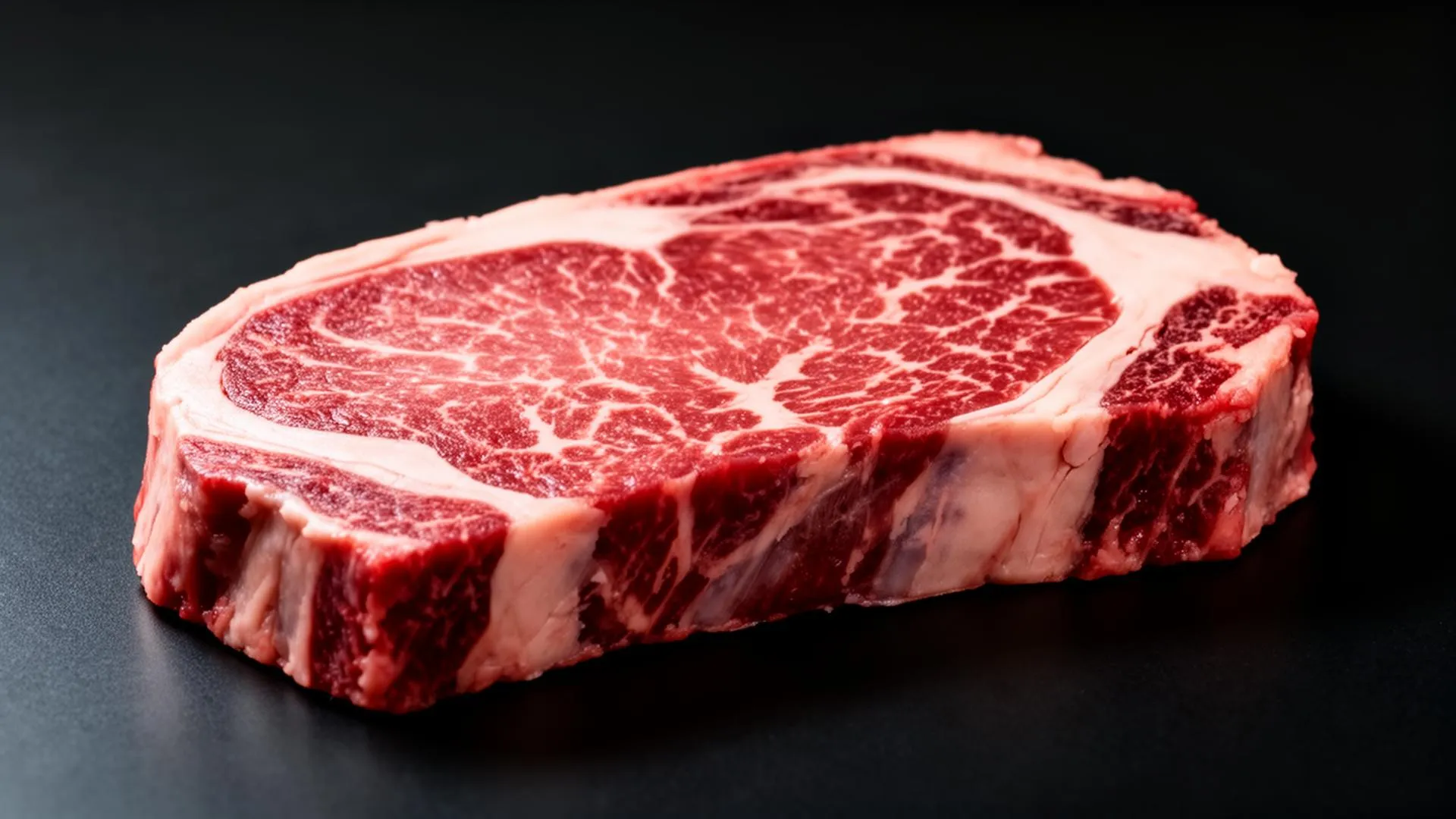
Chuck primal (forequarter) · Beef cut guide
Chuck Roast
Chuck roast is a beef cut from the shoulder area (chuck primal) of the steer, comprising several muscles bound by significant connective tissue. It is too tough for fast cooking but transforms into tender, deeply flavorful meat under long, low-temperature braising, the standard cut for pot roast, beef stew, and slow-cooker recipes.


Anatomy and naming
The chuck primal contains the shoulder muscles, which are constantly working as the steer moves. This produces a cut rich in connective tissue (collagen) and varied marbling, high in fat content overall but distributed unevenly across multiple muscles fused together. A typical chuck roast is 2 to 4 lbs (1 to 2 kg) and contains two to four distinct muscles, each with different grain directions.
The collagen is what makes chuck roast great. Below 70°C (160°F) collagen is tough and chewy; above 70°C, sustained for several hours, it breaks down into gelatin, which thickens the cooking liquid and gives braised chuck its signature mouthfeel and richness. Searing the cut first adds Maillard browning to the eventual gravy. Done right, chuck roast eats softer than tenderloin and richer than ribeye, but only after 3+ hours of braising.
Also known as
Chuck shoulder · Pot roast · Paleta (Spain/LatAm) · Acém (Brazil) · Braising steak (UK)
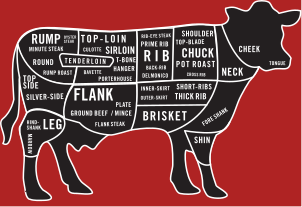
USDA beef carcass diagram - Chuck Roast sits in the Chuck primal (forequarter)
How to spot a good one
Visual markers
A 5-7 cm / 2-3 inch thick cut, weighing 1 to 2 kg / 2 to 4 lbs
Visible muscle separation lines (multiple muscles fused together, this is normal chuck anatomy)
Marbling and connective tissue both visible, flat marbling lines and stringy white connective tissue intermixed with the lean
Bright red lean color, white firm fat between muscle groups
Some external fat cap is fine and renders during braising; excessive fat (over 1 cm) is wasted
Cooking, on Pro
Cook chuck roast like its grade
MeatGrader Pro gives you a cooking guide tailored to the exact cut and quality grade in front of you. Temperature, time, primary and alternative methods, resting, pairings.
A USDA Prime chuck roast gets a different guide than a Choice chuck roast, and an A5 BMS 9 wagyu cut gets something else again. Generic recipes do not know which one you have. Pro does.
Free with 3 analyses on signup. Pro is $1.99/month for unlimited analyses + the cooking guide.
How it grades
Grading chuck roast
Chuck roast is graded at the carcass level under USDA / CBGA / KAPE / MSA / JMGA, but for a braising cut the grade matters less than for steaks. The collagen content (the source of chuck's appeal) is constant across grades. USDA Choice chuck eats indistinguishably from USDA Prime chuck after 3 hours of braising. MeatGrader scores chuck on connective-tissue marbling rather than fine intramuscular marbling, since the cooking method releases collagen rather than rendering fat.
FAQ
Common questions about chuck roast
What people ask most about picking, cooking, and grading this cut.
Related cuts
Other cuts to know
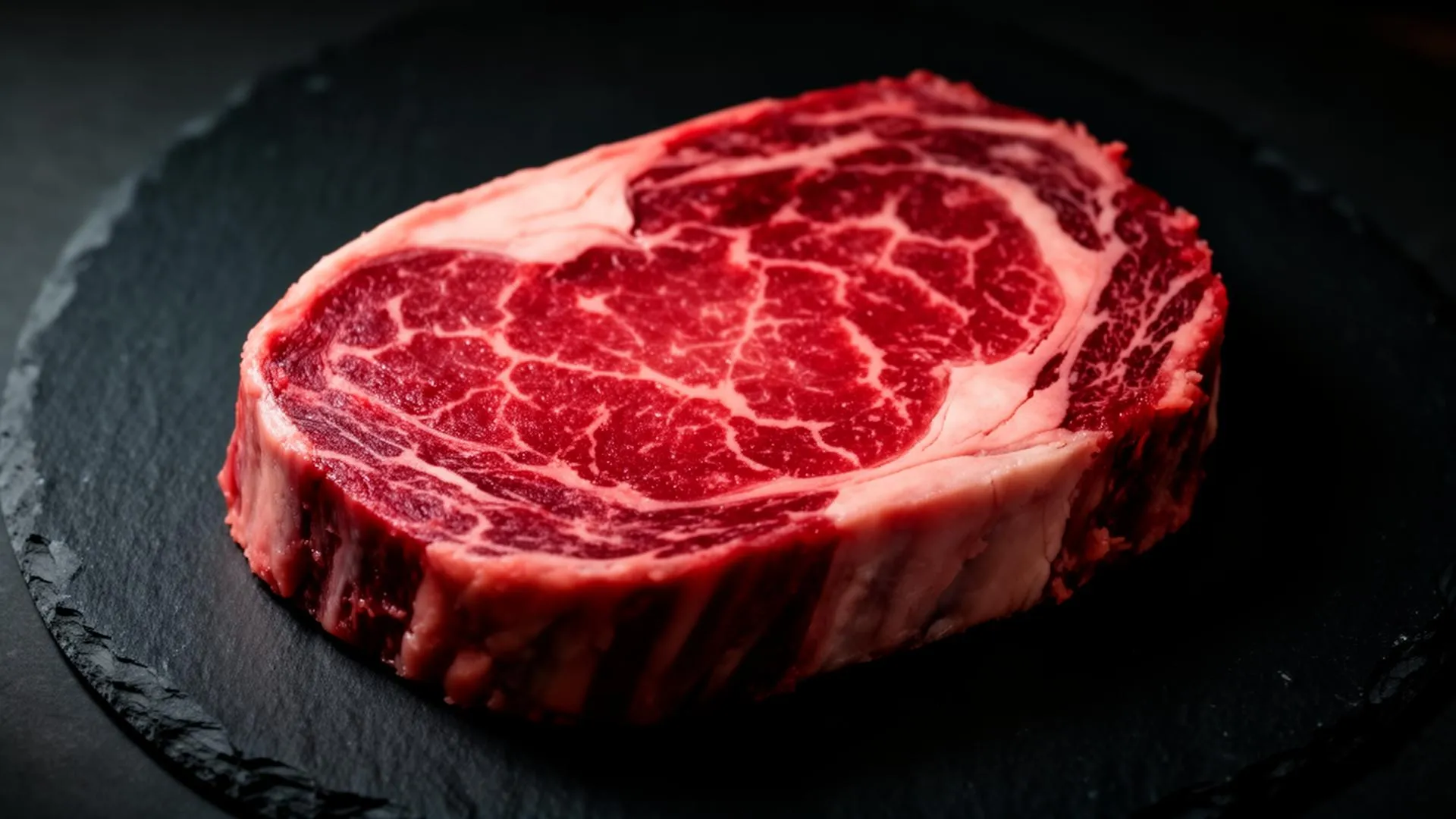
Score any chuck roast from a photo
Photograph your chuck roast and see how it grades against the regional system you select.