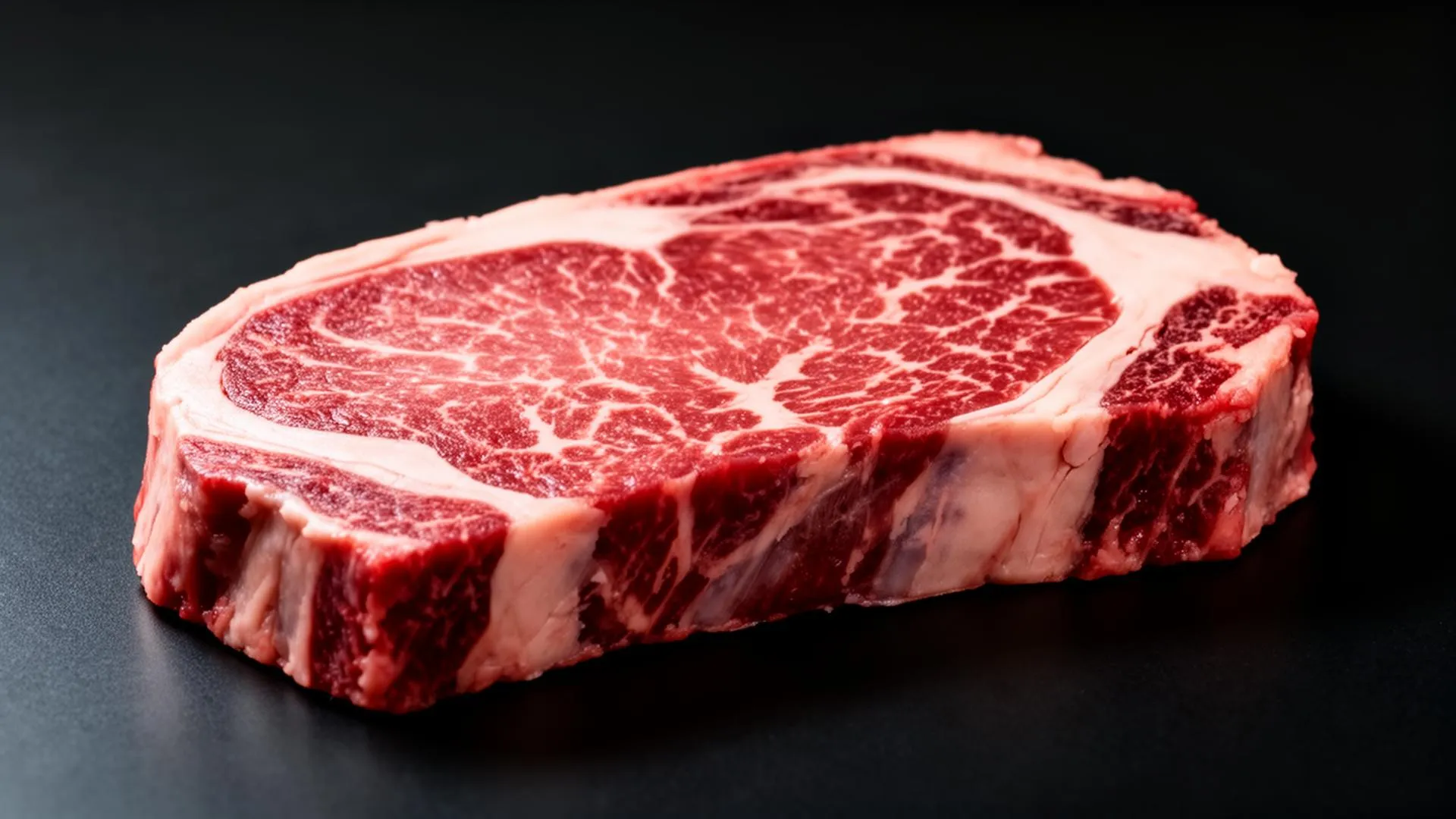
Plate primal / chuck primal · Beef cut guide
Short Rib
Short rib is a beef cut taken from the rib bones in the plate or chuck primal, comprising layers of meat, fat, and bone. The two main retail formats are "English-cut" (a thick portion of meat over a single bone, intended for braising) and "flanken-cut" (a thin slice across multiple bones, used for Korean BBQ galbi). Both come from the same muscles but cook completely differently.


Anatomy and naming
Short ribs come from the front-end ribs of the steer, in the plate primal (ribs 6-8) or the chuck primal (ribs 1-5). The muscle is heavily worked but also heavily marbled, short ribs are some of the most marbled cuts on the entire steer, comparable to a high-Choice ribeye in fat content. The combination of heavy marbling and abundant connective tissue is what makes them transformative under both long braises and quick high-heat grilling.
Two cooking traditions dominate. English-cut short ribs (thick block of meat on a single bone) are braised for 3-4 hours in stock or wine, the connective tissue breaks down, the marbling renders, and the result is fork-tender, falling-off-the-bone meat. Flanken-cut short ribs (thin slice across 3-4 bones, only 0.5-1 cm thick) are the canonical cut for Korean galbi, marinated, grilled hot for 2 minutes per side, eaten sliced off the bones. Same cut, opposite cooking methods, both excellent.
Also known as
English-cut short rib · Flanken-cut short rib (Korean galbi) · Plate short rib · Beef short rib · Costela (Brazil)
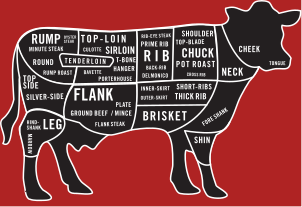
USDA beef carcass diagram - Short Rib sits in the Plate primal / chuck primal
How to spot a good one
Visual markers
Heavy marbling within the meat, short ribs are some of the most marbled cuts available, frequently more than ribeye
A thick layer of meat (English-cut) or thin cross-section (flanken-cut), confirm format matches your intended cooking method
Visible connective tissue between the meat and bone, important for braising, harmless for grilling
Bright red lean color, white firm fat between meat layers
A clean, sturdy bone, broken or splintered bone is a butchery defect
Cooking, on Pro
Cook short rib like its grade
MeatGrader Pro gives you a cooking guide tailored to the exact cut and quality grade in front of you. Temperature, time, primary and alternative methods, resting, pairings.
A USDA Prime short rib gets a different guide than a Choice short rib, and an A5 BMS 9 wagyu cut gets something else again. Generic recipes do not know which one you have. Pro does.
Free with 3 analyses on signup. Pro is $1.99/month for unlimited analyses + the cooking guide.
How it grades
Grading short rib
Short ribs are graded at the carcass level under USDA / CBGA / KAPE / MSA / JMGA. They naturally show high marbling on the cut surface, often higher than the ribeye on the same carcass, but the grade applied to the carcass is determined at the ribeye, not the short rib. KAPE 1++ and Wagyu A5 short ribs are particularly prized for galbi. MeatGrader scores short ribs on marbling density, fat-to-meat ratio, and bone integrity.
FAQ
Common questions about short rib
What people ask most about picking, cooking, and grading this cut.
Related cuts
Other cuts to know
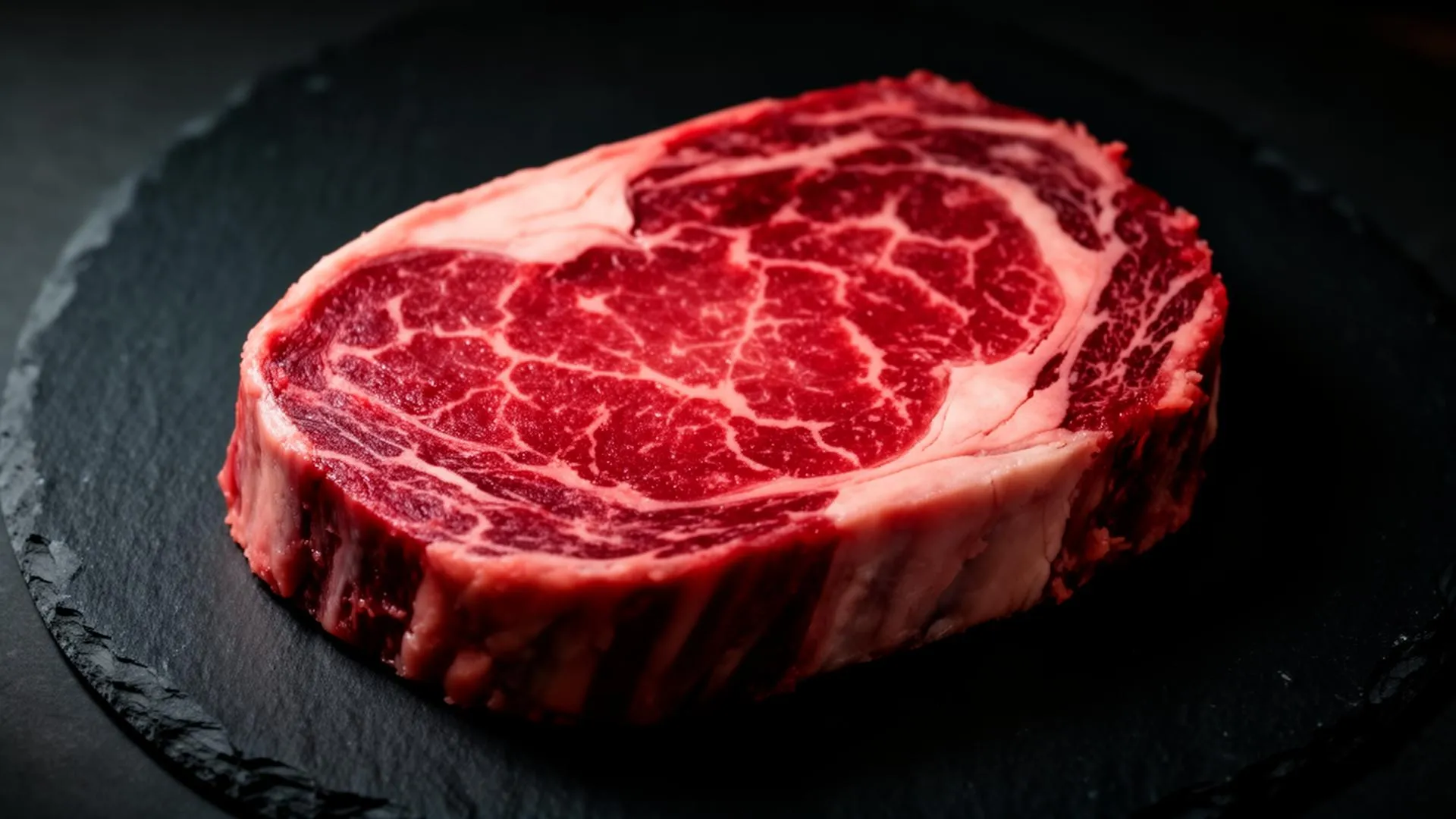
Score any short rib from a photo
Photograph your short rib and see how it grades against the regional system you select.