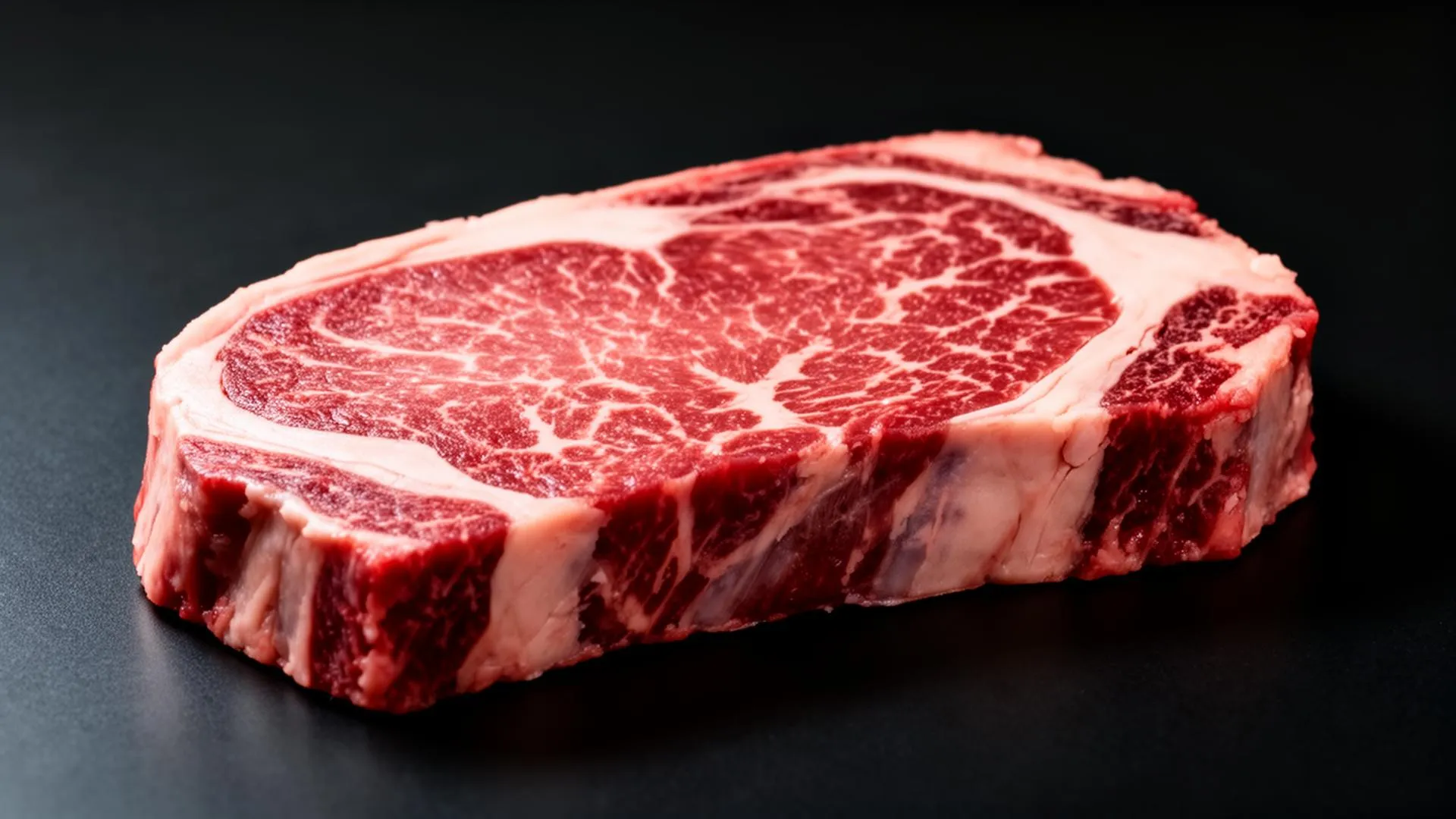
Chuck primal (shoulder) · Beef cut guide
Flat Iron Steak
Flat iron steak is a beef cut from the infraspinatus muscle in the chuck primal, specifically, the half of that muscle on either side of a connective-tissue seam that has been removed by modern butchery. Research from the Beef Innovations Group identified the serratus ventralis (Denver) and the deseamed infraspinatus (flat iron) as the second-most tender beef cut after tenderloin, despite being from the shoulder.


Anatomy and naming
The infraspinatus is a flat, fan-shaped muscle that sits on the outside of the shoulder blade. Until the early 2000s, it was generally ground or stewed because of a thick, tough connective-tissue seam running through its middle, anyone who tried to cook it as a steak got an inedible band of gristle through every bite. The "flat iron" innovation was figuring out how to butcher the muscle cleanly along that seam, leaving two long, flat, seam-free cuts that grill beautifully.
A flat iron steak is typically 1.5 cm thick, weighing 200-300 g per portion, oblong in shape (resembling a clothes iron, hence the name). It marbles well for a chuck cut, moderate to strong, comparable to a strip steak, and has a clean, fine grain running predictably along its long axis. Like all chuck-region cuts, the price is well below loin cuts despite the eating quality being competitive. The Australian name "oyster blade" reflects the muscle's shape; the French name "paleron" is the traditional braising name (used pre-deseaming).
Also known as
Top blade steak · Butler steak · Oyster blade (Australia) · Paleron (France)
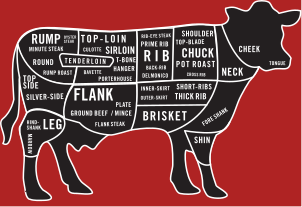
USDA beef carcass diagram - Flat Iron Steak sits in the Chuck primal (shoulder)
How to spot a good one
Visual markers
An oblong, flat shape, 1.5 cm thick, 200-300 g per portion
A clean cut surface with no visible connective-tissue seam, improperly-deseamed flat irons have a tough white seam through the middle and should be avoided
Strong marbling for a chuck cut, comparable to strip-steak marbling on the same carcass
Fine grain running along the long axis of the cut
Bright red lean color, white firm fat
Cooking, on Pro
Cook flat iron steak like its grade
MeatGrader Pro gives you a cooking guide tailored to the exact cut and quality grade in front of you. Temperature, time, primary and alternative methods, resting, pairings.
A USDA Prime flat iron steak gets a different guide than a Choice flat iron steak, and an A5 BMS 9 wagyu cut gets something else again. Generic recipes do not know which one you have. Pro does.
Free with 3 analyses on signup. Pro is $1.99/month for unlimited analyses + the cooking guide.
How it grades
Grading flat iron steak
Flat iron is graded at the carcass level under USDA / CBGA / KAPE / MSA / JMGA. The cut tracks one tier below the carcass's ribeye marbling, a USDA Prime carcass produces a Choice-tier flat iron. The cut's value proposition is delivering loin-comparable eating quality at chuck pricing. MeatGrader scores flat iron on marbling, color, grain quality, and seam visibility (a residual seam is a butchery defect).
FAQ
Common questions about flat iron steak
What people ask most about picking, cooking, and grading this cut.
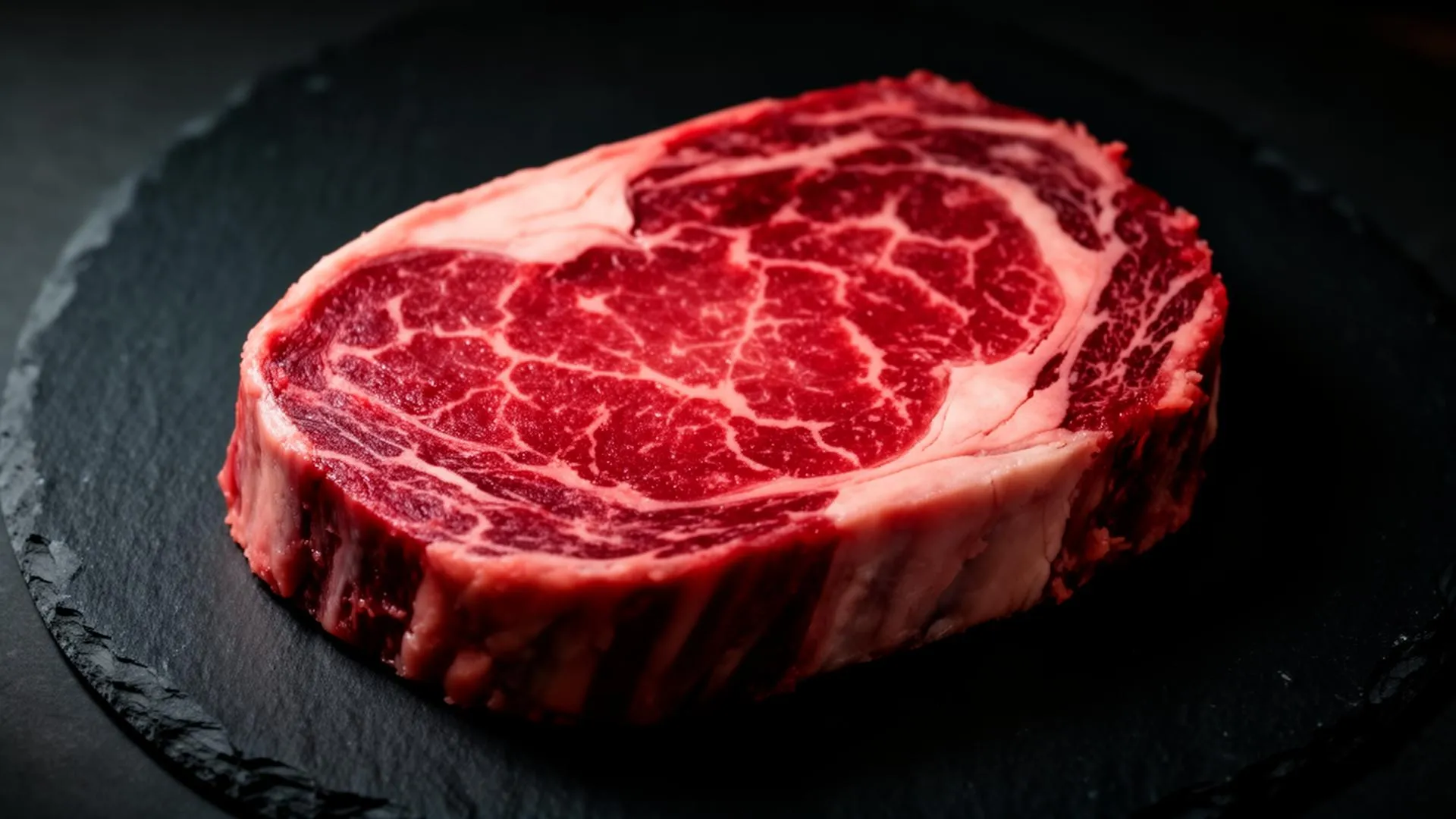
Score any flat iron steak from a photo
Photograph your flat iron steak and see how it grades against the regional system you select.