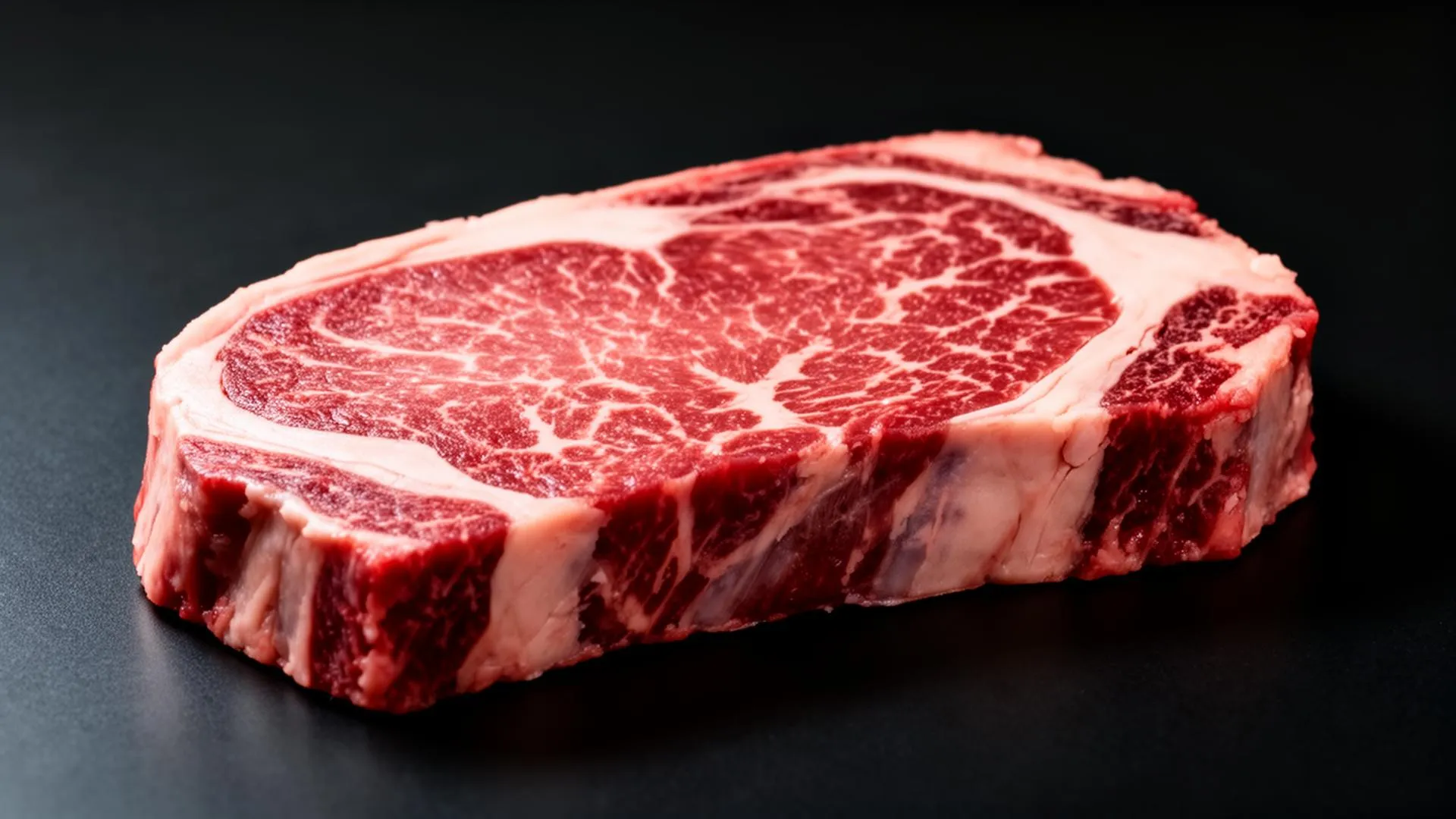
Australia · Meat Standards Australia and AUS-MEAT Limited
MSA and AUS-MEAT Australian Beef Grading
Australian beef grading is split between two complementary systems. AUS-MEAT defines a marbling score from 0 to 9+ that describes intramuscular fat density visually. Meat Standards Australia (MSA) is an eating-quality grading system that predicts how a specific cut will eat, tender, juicy, flavorful, based on a multi-input model rather than just marbling.


What MSA and AUS-MEAT Australian Beef Grading actually measures
AUS-MEAT marbling scoring runs 0 (no marbling) to 9+ (densest). The 9+ category covers Wagyu-tier marbling and is sometimes informally extended to numbers like 9, 10, or 11 to mirror Japanese BMS gradations. Most commercial Australian beef sits in the 1 to 4 range; premium grain-fed Angus typically scores 3 to 5; full-blood Wagyu can reach 7+.
MSA grading is a separate eating-quality system. Each cut from each carcass receives an MSA score that predicts how it will eat under specific cooking methods, accounting for marbling, ossification (maturity), pH, hump height, hang method, and ageing time. MSA scores are used by Australian retailers to label beef as 3-star, 4-star, or 5-star against guaranteed eating-quality outcomes.
Read the universal four-factor framework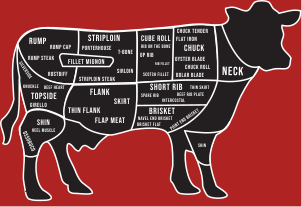
Australia carcass diagram, primal cuts and grading reference points
The Scale
Grades from highest to lowest
MSA 3-star to 5-star
Eating-quality star rating per cut and cooking method. 5-star predicts the highest eating outcome.
AUS-MEAT 8 to 9+
Top-tier full-blood Wagyu. Comparable to BMS 7 to 11.
AUS-MEAT 6 to 7
High-grade Wagyu cross or full-blood Wagyu. Comparable to BMS 5 to 6.
AUS-MEAT 4 to 5
Premium-tier grain-fed. Comparable to USDA Choice / Prime crossover.
AUS-MEAT 2 to 3
Slight to moderate marbling. Mid-quality grain-fed Australian Angus.
AUS-MEAT 0 to 1
No to trace marbling. Most lean grass-fed cuts.
What Graders Evaluate
Visual factors at the carcass
Marbling score, visual assessment at the AUS-MEAT chiller graders
Ossification, physiological maturity scored from the carcass
pH, measured 24 hours post-slaughter
Hump height and hang method, both affect tenderness predictions
Cut and cooking method. MSA predictions are cut-and-method-specific
Ageing days, longer ageing improves predicted eating quality
From a Photo
How MeatGrader applies MSA and AUS-MEAT Australian Beef Grading
MeatGrader returns an inferred AUS-MEAT marbling score from a retail-cut photograph, calibrated to Australian reference imagery. MSA eating-quality scoring is not estimated from a photograph because it requires inputs that are not visible in the cut: ossification, pH, ageing days, and hang method. For Australian-origin beef, treat the AUS-MEAT marbling score as the visually-grounded indicator and the MSA star rating, when present on the label, as the supplier-validated eating-quality claim.
FAQ
Common questions about MSA and AUS-MEAT Australian Beef Grading
What people ask most about how Australia grades beef.
Compare
Other grading systems
Each region applies the same four visual factors (marbling, lean color, fat, texture) to its own scale.
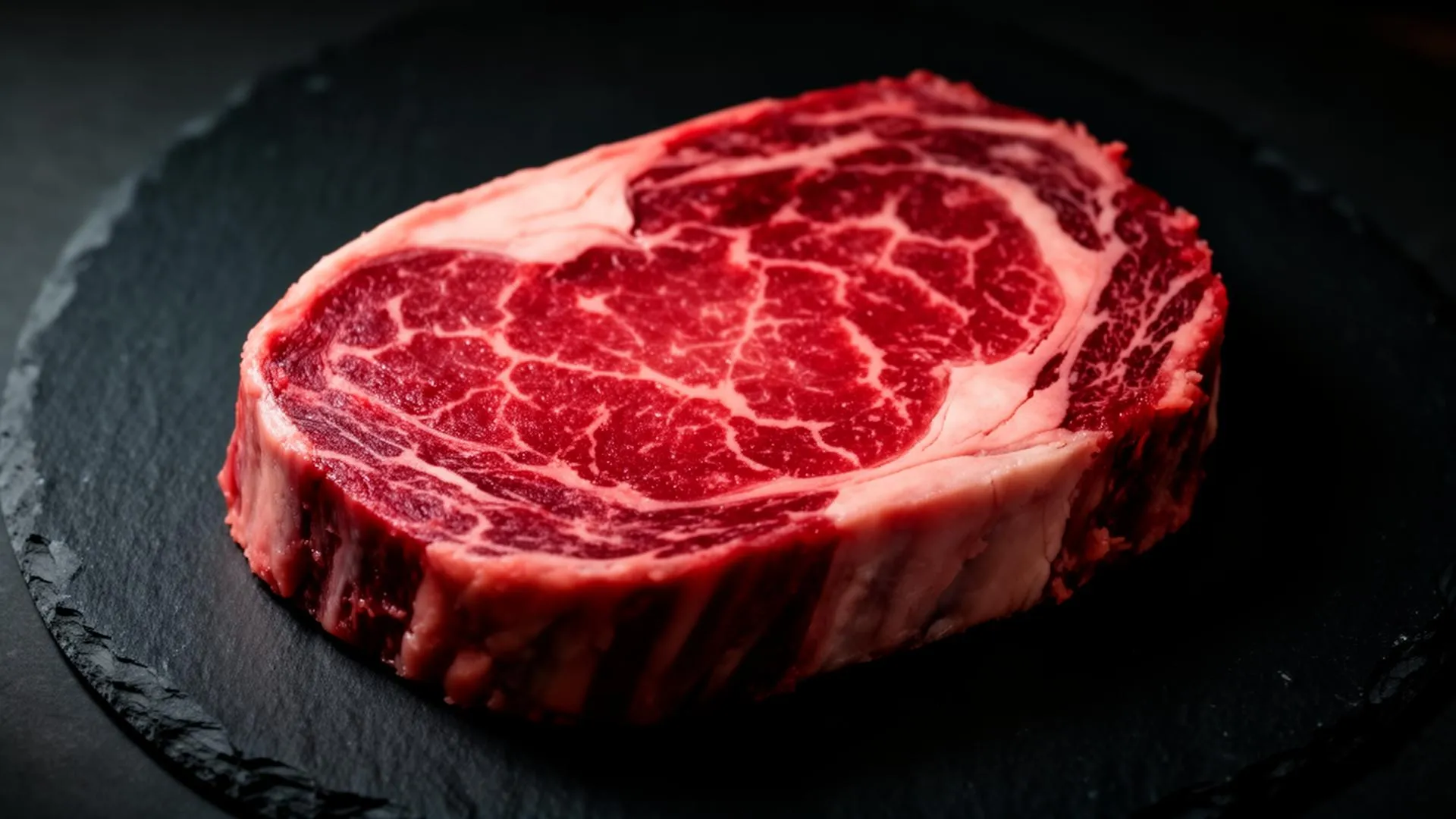
Grade any cut against MSA and AUS-MEAT Australian Beef Grading
Photograph any beef cut and see how it scores under MSA and AUS-MEAT Australian Beef Grading and the other five systems.