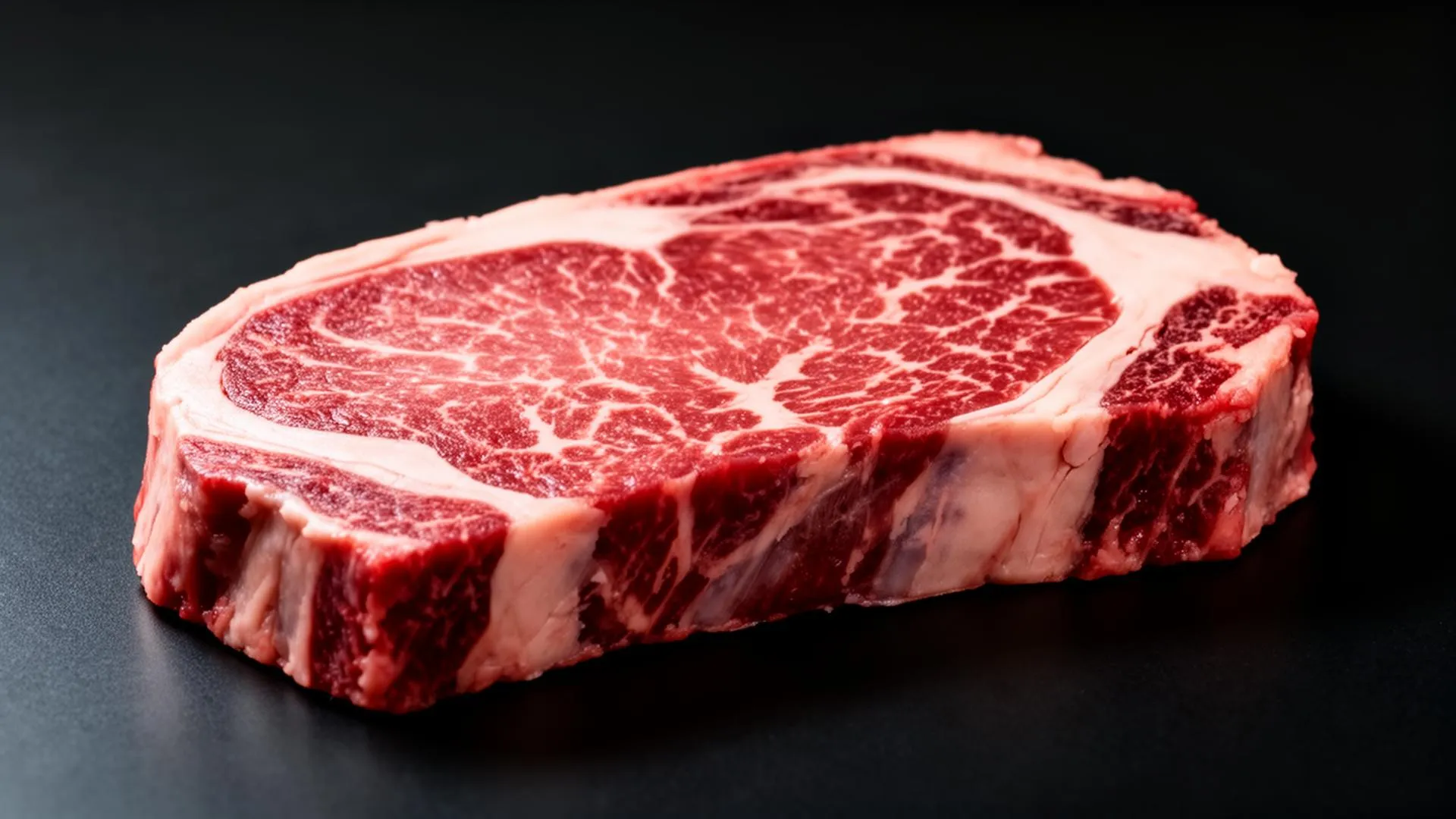
Short loin / sirloin primal · Beef cut guide
Tenderloin
Tenderloin is the most tender beef cut, taken from the psoas major muscle that sits under the spine of the carcass. Because the muscle does almost no work, it has very fine grain and minimal connective tissue, but it also carries less intramuscular fat than the ribeye or strip, which is why tenderloin scores lower on marbling-driven grades despite being prized for its tenderness.


Anatomy and naming
The tenderloin is a long, tapered muscle that runs along the inside of the spine, spanning the short loin and sirloin primals. It is sliced into "filet mignon" medallions toward the small end, and into chateaubriand or whole-roasts in the middle. Because the psoas major is essentially a non-load-bearing muscle, the grain is exceptionally fine and there is almost no chew, the cut is famous for being "fork-tender".
The trade-off: lean color and marbling on tenderloin are usually lower than on the ribeye or strip from the same carcass. A USDA Prime carcass produces a Prime ribeye but the tenderloin from that same carcass typically shows Choice-level marbling at best. Cooks compensate with bacon-wrap, butter-baste, or sauce, the cut is supplementary to the cooking method rather than a marbling showcase.
Also known as
Filet mignon (medallions) · Filet (US) · Eye fillet (Australia/NZ) · Solomillo (Spain) · Filé mignon (Brazil) · Lomo (LatAm)
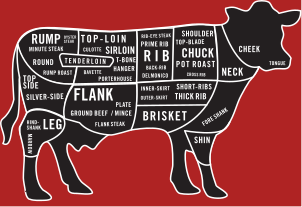
USDA beef carcass diagram - Tenderloin sits in the Short loin / sirloin primal
How to spot a good one
Visual markers
Fine, smooth grain, the cross-section should look almost uniform, with very thin connective tissue lines
Lean color slightly darker than ribeye on average; bright red is preferred but tenderloin runs a touch deeper
Light, scattered marbling, denser marbling indicates a high-grade carcass, but tenderloin will never marble like a ribeye
Minimal external fat, the surrounding silver skin and fat are usually trimmed by the butcher
Even, cylindrical shape (especially toward the center / chateaubriand portion); irregular shapes suggest improper trimming
Cooking, on Pro
Cook tenderloin like its grade
MeatGrader Pro gives you a cooking guide tailored to the exact cut and quality grade in front of you. Temperature, time, primary and alternative methods, resting, pairings.
A USDA Prime tenderloin gets a different guide than a Choice tenderloin, and an A5 BMS 9 wagyu cut gets something else again. Generic recipes do not know which one you have. Pro does.
Free with 3 analyses on signup. Pro is $1.99/month for unlimited analyses + the cooking guide.
How it grades
Grading tenderloin
Tenderloin is graded by the carcass-level system but tenderloin itself rarely shows the marbling required for the top tier. A USDA Prime tenderloin and a USDA Choice tenderloin can look similar at a glance because the marbling difference is small. MeatGrader scores tenderloin against the same four factors but factor weights skew toward grain and color rather than marbling alone.
FAQ
Common questions about tenderloin
What people ask most about picking, cooking, and grading this cut.
Related cuts
Other cuts to know
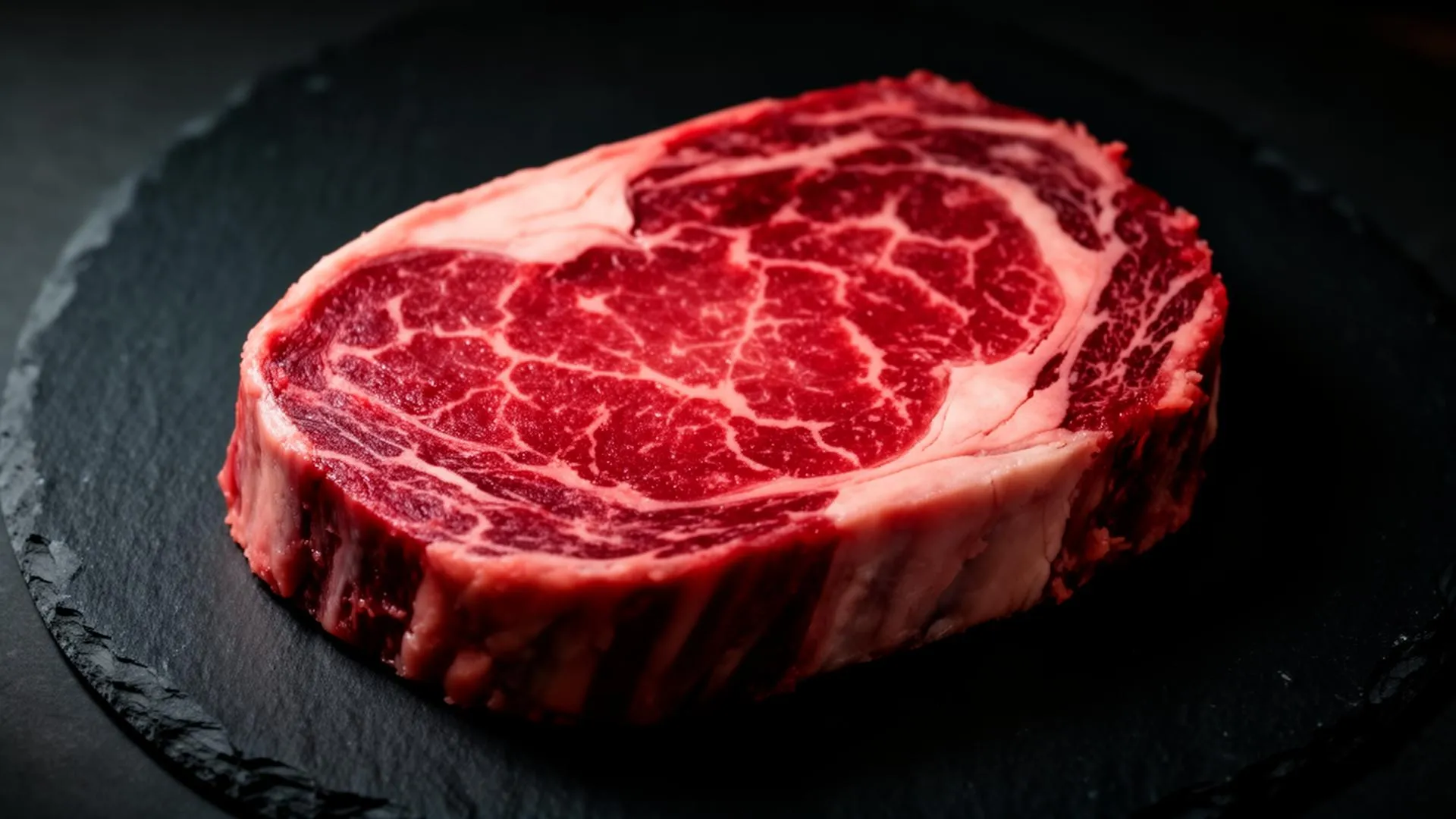
Score any tenderloin from a photo
Photograph your tenderloin and see how it grades against the regional system you select.