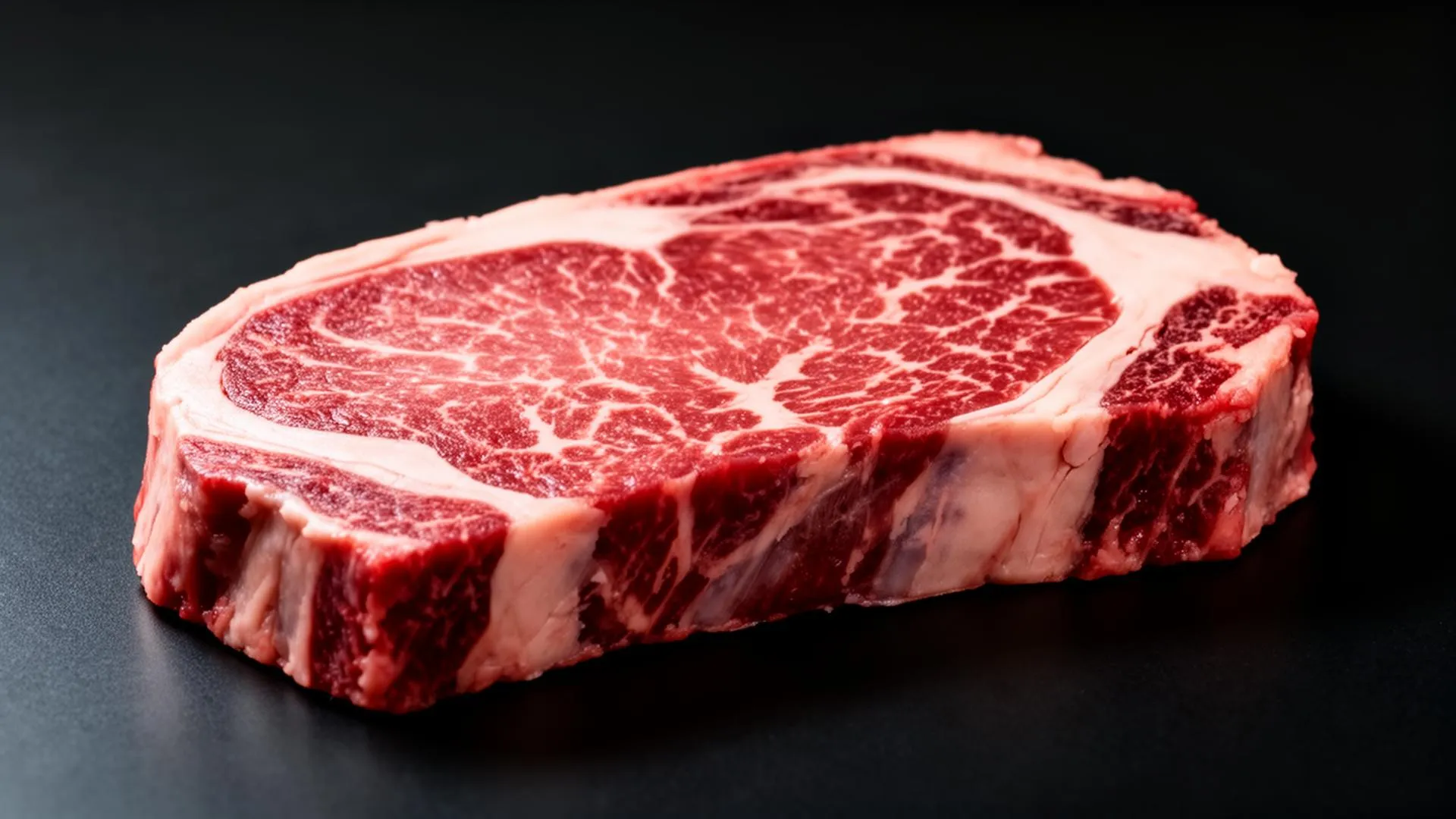
Brazilian cuts · MeatGrader Quality
Brazilian beef cuts
61 cuts across 12 primals, in their native brazilian naming.


Anatomy and naming
The brazilian carcass
Brazilian beef culture centers on the churrasco, an open-fire grill tradition in which whole primal cuts are skewered, salt-crusted, and roasted slowly over hardwood embers. As a result, Brazilian butchery names cuts by the region of the carcass rather than by individual steak portion. The picanha, alcatra, and costela are entire muscles or muscle groups, served by slicing thin off the cooked roast at the table.
Brazil does not have a national beef-grading system equivalent to USDA or JMGA. The MeatGrader Quality (MGQ) classification is the best fit for Brazilian-finished beef, with four tiers (Supreme, Superior, Select, Standard) calibrated to pasture-finished animals more typical of Brazilian production than the heavily grain-finished US carcass.
Read the MeatGrader Quality grading guideHover a primal below to highlight it on the chart
Grading · MeatGrader
MeatGrader Quality
MeatGrader Quality is a four-tier marbling-based beef quality grading system applied by MeatGrader to regions whose official systems do not assess marbling. Several major beef-producing regions classify carcasses by conformation, maturity, or fat cover instead of intramuscular fat: the EU uses the EUROP grid (carcass conformation), Brazil uses MAPA classification (maturity and fat cover), Argentina uses Tipificacion (conformation and fat cover). MeatGrader Quality fills the marbling-based assessment gap in those regions with four named tiers: Supreme, Superior, Select, and Standard.
Supreme
Outstanding quality with dense, well-distributed marbling. Comparable to USDA Prime in marbling level. The top tier.
Superior
Above-average quality with visible, even marbling. Comparable to USDA Choice. The most common premium-retail tier.
Select
Acceptable quality with moderate marbling. Comparable to USDA Select. Standard supermarket retail.
Standard
Basic quality with minimal marbling. Comparable to USDA Standard. Typically suited to slow cooking, ground beef, or stew applications. Flagged as not passing in MeatGrader's quality-control workflow.
Visual factors
What graders evaluate
Marbling, distribution and density of intramuscular fat, judged against reference imagery aligned with USDA marbling scoring
Lean color, bright cherry-red preferred for fresh beef; very dark or pale colors flagged with context
Texture, fine-grained preferred; coarse or watery texture downgraded
Fat quality, white firm external fat preferred; yellow or oily fat downgraded
Region-native cut naming, the cut is identified in its local terminology (picanha, vacio, entrecote, etc.), but the quality tier is determined by the four visual factors above
From a photo
How MeatGrader applies MeatGrader Quality
MeatGrader Quality is the default grading system MeatGrader applies when you select an origin whose official system does not assess marbling: Europe (EUROP), Brazil (MAPA), Argentina (Tipificacion), or Other. The model returns one of four named tiers (Supreme, Superior, Select, Standard) plus a per-factor breakdown of marbling, color, texture, and fat quality. Standard is flagged as not passing in MeatGrader's quality-control workflow, useful for butchers and restaurants verifying inbound shipments.
Read the universal four-factor frameworkCuts by primal
The full brazilian catalogue
Tap any cut for the full guide. Cuts without a guide yet are listed as the brazilian vocabulary.
Coxão
5 cutsUpper rear leg, lean roasting cuts and rump-area pieces.
- Coxão MoleTop round (inside)
- Coxão DuroBottom round (outside)
- LagartoEye of round
- PatinhoKnuckle / sirloin tip
- TatuHeel of round
Alcatra
10 cutsThe Brazilian sirloin region. Includes the prized picanha and several grilling cuts.
Costela
8 cutsRib region. Slow-roasted whole costela is a churrasco centerpiece.
- CostelaBeef ribs / rib section
- Costela do TraseiroHind ribs
- BistecaBone-in steak
- ChuletaBone-in ribeye / rib chop
- Filé de CostelaRib roast
- Costela Minga
- Costela Janela
- Costela Prime
Acém
5 cutsChuck. Includes the cupim — the Zebu hump, a cut unique to Brazilian beef culture.
- AcémChuck
- CupimZebu hump (Brazilian-specific)
- Capa de AcémChuck cap
- Miolo do AcémChuck eye / heart
- AgulhaChuck blade
Paleta
7 cutsFront shoulder / blade region.
- PaletaShoulder
- RaqueteFlat iron
- PeixinhoEye of shoulder
- Coração da PaletaHeart of shoulder
- PescoçoNeck
- Copa
- BochechaCheek
Músculo
3 cutsLower-rear, denser leg muscle.
- MúsculoShin / lower round
- Músculo MoleSoft shin
- Músculo DuroHard shin
Peito
4 cutsBrisket. Less common in churrasco than in US BBQ but used for slow-roasted preparations.
Ponta de Agulha
3 cutsPlate / forequarter ribs. Short ribs and rib-tip cuts.
- Ponta de AgulhaPlate / forequarter ribs
- Costela RipaPlate short ribs
- Costela DianteiraForequarter ribs
Músculo Traseiro
4 cuts- Músculo TraseiroHind shank
- OssobucoCross-cut shank
- Canela Traseira
- Osso do TutanoMarrow bone
Músculo Dianteiro
3 cuts- Músculo DianteiroForeshank
- Brazuelo
- Canela Dianteira
Filé Mignon
3 cutsThe tenderloin. Direct cognate of French filet mignon.
Fraldinha
6 cutsFlank. Fraldinha and bife do vazio are the classic churrasco grilling cuts here.
- FraldinhaFlank steak (Brazilian cut)
- Bife do VazioFlank/flap
- VazioFlank
- MatambreFlank skirt
- DiafragmaDiaphragm / hanger
- EntranhaSkirt
FAQ
Common questions about MeatGrader Quality
What people ask most about how brazilian beef is graded.
Compare
Other regions
Same anatomy, different butchery and trade names. Switch regions to see how a cut you know is sold elsewhere.
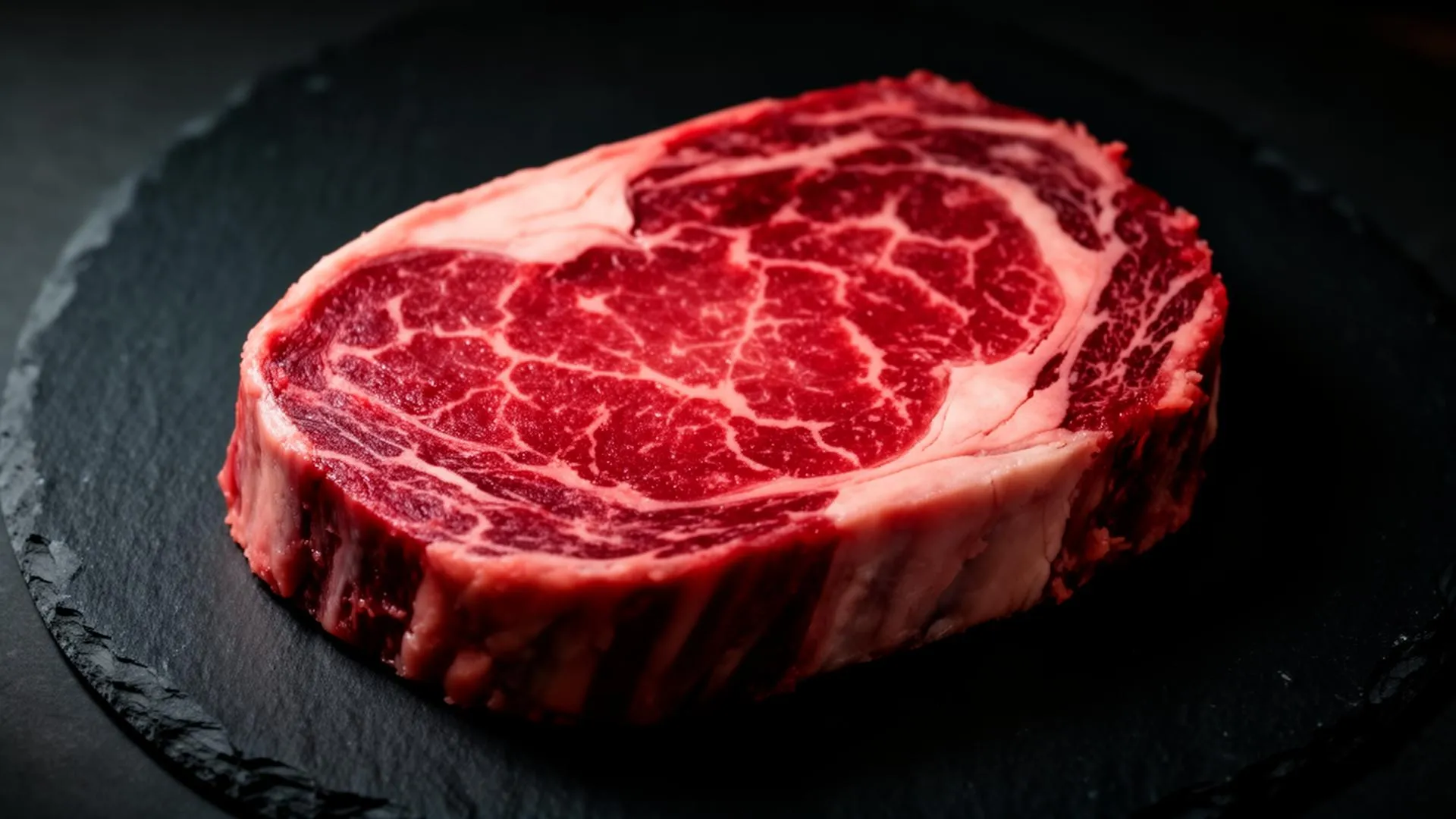
Score any brazilian cut from a photo
Photograph the cut, choose the MeatGrader Quality grading frame, and see the result.