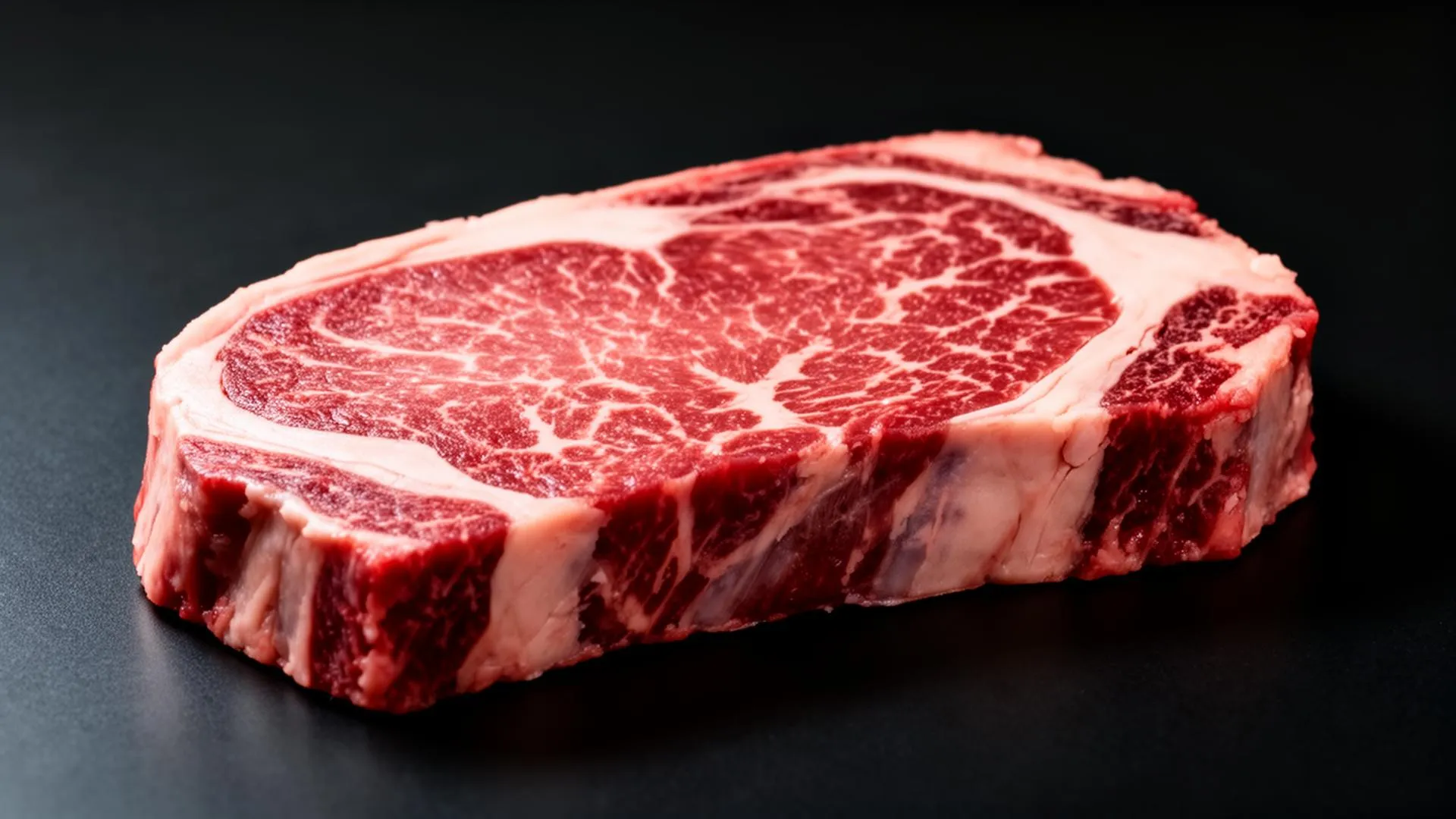
Australian cuts · MSA / AUS-MEAT
Australian beef cuts
35 cuts across 12 primals, in their native australian naming.


Anatomy and naming
The australian carcass
Australian beef butchery follows the AUS-MEAT trade-naming standard used domestically and across export markets. Many Australian cut names diverge from US conventions: scotch fillet for ribeye, eye fillet for tenderloin, rump cap for picanha, oyster blade for flat iron. The Meat Standards Australia (MSA) grading scheme rates eating quality on a 3 to 5 star scale based on dozens of factors beyond marbling alone, including aging, cooking method intent, and animal age.
Australian grass-fed beef is a major export product worldwide. The cuts below mirror the AUS-MEAT vocabulary; US trade names are noted in English equivalents.
Read the MSA / AUS-MEAT grading guideHover a primal below to highlight it on the chart
Grading · Meat Standards Australia and AUS-MEAT Limited
MSA and AUS-MEAT Australian Beef Grading
Australian beef grading is split between two complementary systems. AUS-MEAT defines a marbling score from 0 to 9+ that describes intramuscular fat density visually. Meat Standards Australia (MSA) is an eating-quality grading system that predicts how a specific cut will eat, tender, juicy, flavorful, based on a multi-input model rather than just marbling.
MSA 3-star to 5-star
Eating-quality star rating per cut and cooking method. 5-star predicts the highest eating outcome.
AUS-MEAT 8 to 9+
Top-tier full-blood Wagyu. Comparable to BMS 7 to 11.
AUS-MEAT 6 to 7
High-grade Wagyu cross or full-blood Wagyu. Comparable to BMS 5 to 6.
AUS-MEAT 4 to 5
Premium-tier grain-fed. Comparable to USDA Choice / Prime crossover.
AUS-MEAT 2 to 3
Slight to moderate marbling. Mid-quality grain-fed Australian Angus.
AUS-MEAT 0 to 1
No to trace marbling. Most lean grass-fed cuts.
Visual factors
What graders evaluate
Marbling score, visual assessment at the AUS-MEAT chiller graders
Ossification, physiological maturity scored from the carcass
pH, measured 24 hours post-slaughter
Hump height and hang method, both affect tenderness predictions
Cut and cooking method. MSA predictions are cut-and-method-specific
Ageing days, longer ageing improves predicted eating quality
From a photo
How MeatGrader applies MSA and AUS-MEAT Australian Beef Grading
MeatGrader returns an inferred AUS-MEAT marbling score from a retail-cut photograph, calibrated to Australian reference imagery. MSA eating-quality scoring is not estimated from a photograph because it requires inputs that are not visible in the cut: ossification, pH, ageing days, and hang method. For Australian-origin beef, treat the AUS-MEAT marbling score as the visually-grounded indicator and the MSA star rating, when present on the label, as the supplier-validated eating-quality claim.
Read the universal four-factor frameworkCuts by primal
The full australian catalogue
Tap any cut for the full guide. Cuts without a guide yet are listed as the australian vocabulary.
Round / Rump
6 cuts- Round
- TopsideTop round
- SilversideBottom round / outside round
- GirelloEye round (in some regions)
- Rump
- Rump CapPicanha
Cube Roll
3 cutsRibeye / scotch fillet section.
Chuck
5 cuts- Chuck
- Oyster BladeTop blade / flat iron
- Flat Iron
- Chuck Tender
- Chuck Roll
Blade / Neck
2 cuts- Blade
- Neck
Round
1 cut- Round
Beef Rib
3 cutsShin
1 cutFore Shin
1 cutEye Fillet
2 cutsFlank
4 cutsFAQ
Common questions about MSA and AUS-MEAT Australian Beef Grading
What people ask most about how australian beef is graded.
Compare
Other regions
Same anatomy, different butchery and trade names. Switch regions to see how a cut you know is sold elsewhere.
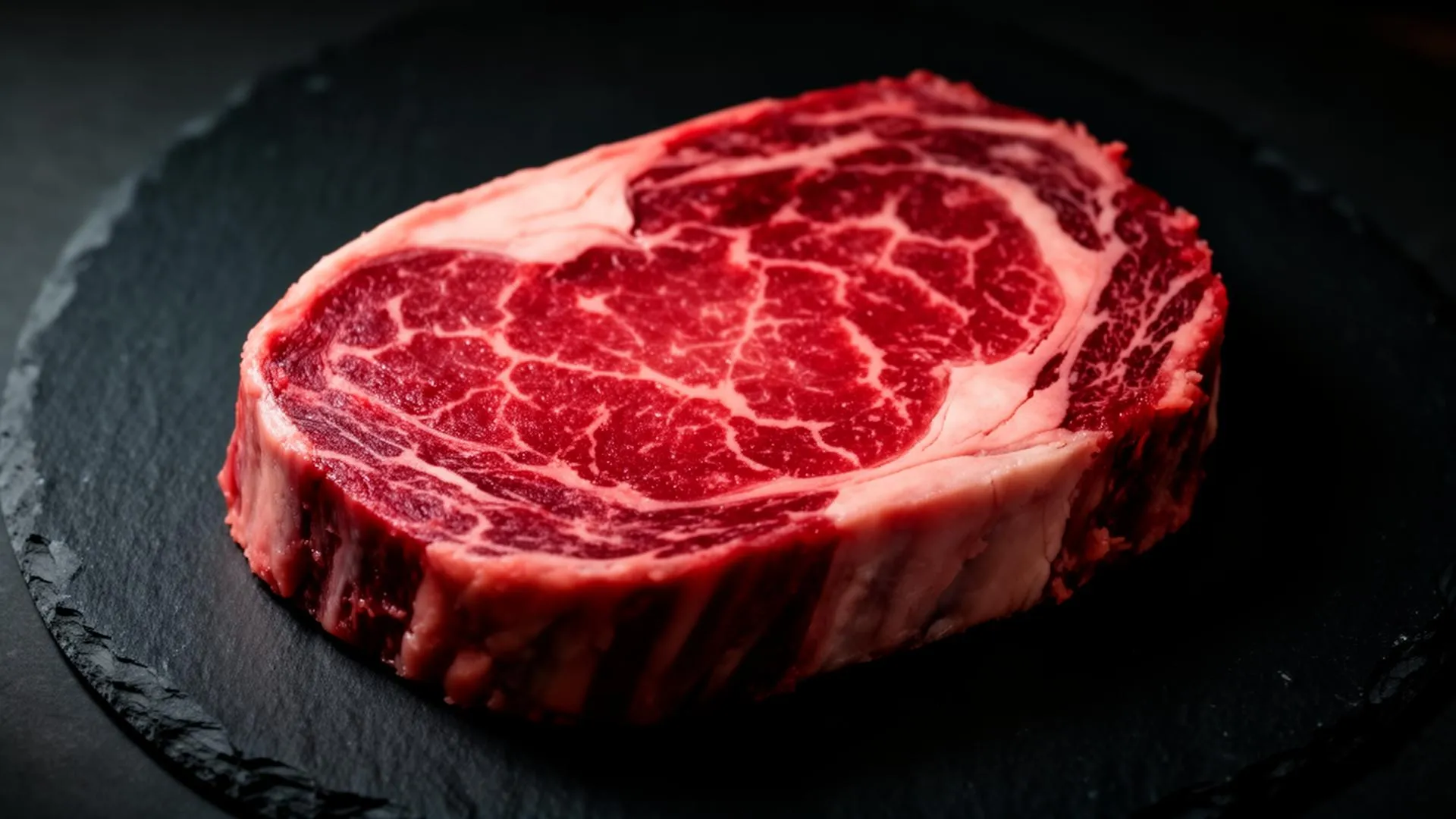
Score any australian cut from a photo
Photograph the cut, choose the MSA / AUS-MEAT grading frame, and see the result.