Korean cuts · KAPE
Korean beef cuts
27 cuts across 12 primals, in their native korean naming.


Anatomy and naming
The korean carcass
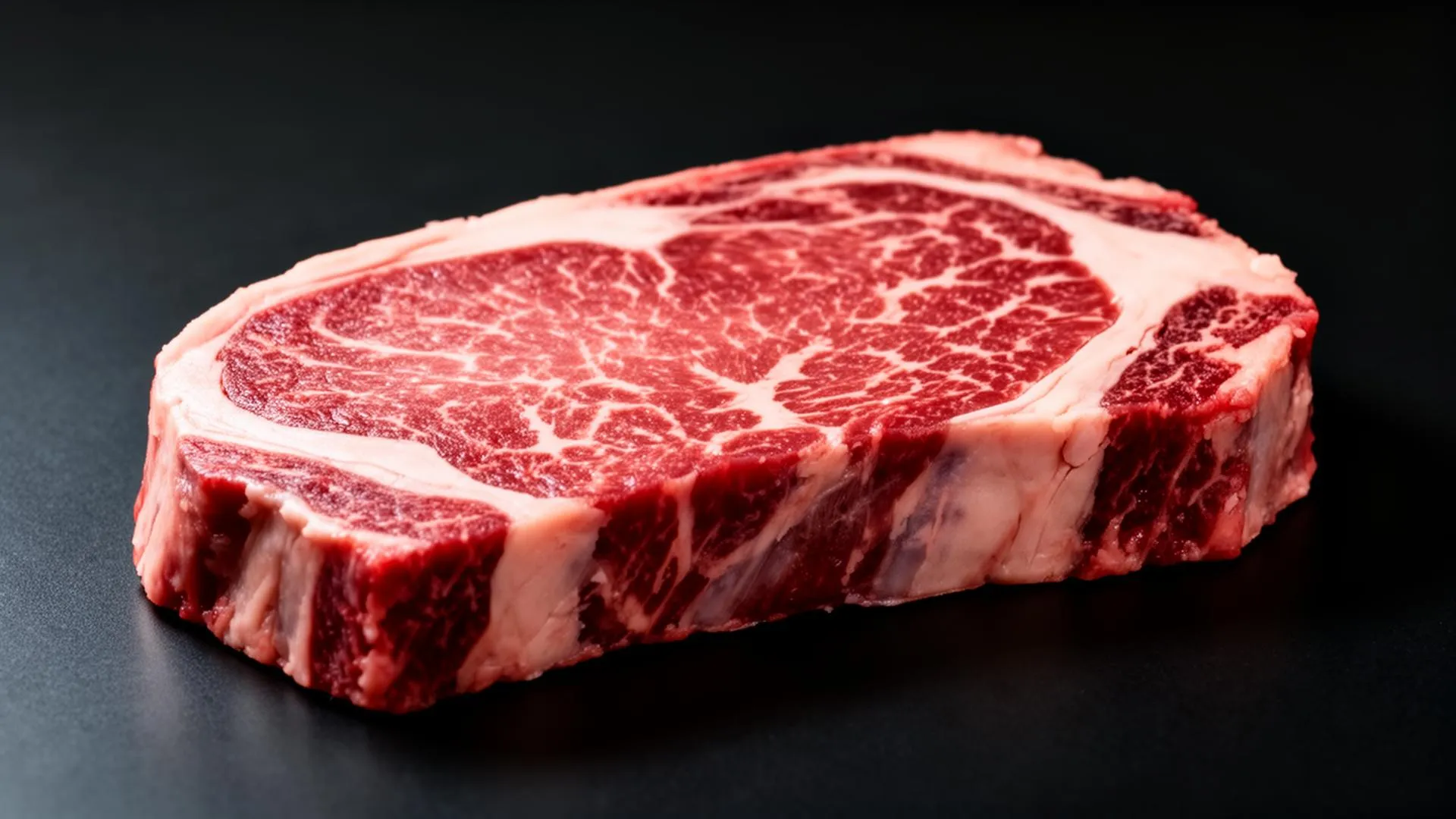
Korean beef culture centers on Hanwoo, the indigenous breed prized for its high marbling capacity and sweet flavor. Cut names focus on the muscle's eating quality and traditional Korean preparation method (galbi for short ribs, deungsim for ribeye, anchangsal for skirt) as much as on anatomical position. The Korea Institute for Animal Products Quality Evaluation (KAPE) grades Hanwoo on a 1++ to 3 scale, with 1++ representing the densest marbling.
Many Korean cut names appear on Korean BBQ menus worldwide. The cuts below mirror the KAPE standard as applied in Korean retail butchery. Japanese-influenced names appear in some regions; Korean-language romanizations are the canonical reference.
Read the KAPE grading guideHover a primal below to highlight it on the chart
Grading · Korea Institute for Animal Products Quality Evaluation
KAPE Korean Beef Grading
KAPE grading is the South Korean beef quality standard administered by the Korea Institute for Animal Products Quality Evaluation. Beef is assigned a Quality Grade (1++, 1+, 1, 2, or 3, with 1++ the highest) based primarily on marbling density at the ribeye, plus a Yield Grade (A, B, or C) describing carcass yield. The Quality Grade is the dominant signal for retail and is what consumers look for on Hanwoo packaging.
1++
~17%+ IMF
Highest quality grade. Dense, evenly-distributed marbling. Most premium Hanwoo sold in Korea.
1+
~13 to 17% IMF
Excellent marbling. Comparable to USDA Prime. Common in premium retail.
1
~7 to 13% IMF
Good marbling. Comparable to USDA Choice upper.
2
~4 to 7% IMF
Moderate marbling. Standard retail.
3
under 4% IMF
Limited marbling. Often used in stews and marinated dishes.
Visual factors
What graders evaluate
Marbling, primary driver, judged against KAPE reference imagery
Lean color, bright red preferred
Lean texture, fine-grained preferred
Fat color and texture, white, firm fat preferred
Maturity, assessed from skeletal indicators
From a photo
How MeatGrader applies KAPE Korean Beef Grading
MeatGrader applies the same five visual factors KAPE graders use, calibrated to Korean reference imagery rather than USDA. The model returns the inferred Korean Quality Grade (1++, 1+, 1, 2, 3) and a per-factor breakdown. Yield Grade (A, B, C) is not estimated from a retail-cut photo because it requires whole-carcass measurements.
Read the universal four-factor frameworkCuts by primal
The full korean catalogue
Tap any cut for the full guide. Cuts without a guide yet are listed as the korean vocabulary.
Deungsim
4 cutsLoin. Deungsim is the strip / ribeye region; kkotdeungsim is the most marbled.
Galbi
4 cutsRib. Galbi is the iconic Korean BBQ cut, served bone-in or LA-style cross-cut.
- GalbiShort ribs (Korean BBQ)
- KkotgalbiMarbled short rib
- GalbisalShort rib boneless
- LA GalbiLA-style cross-cut short rib
Moksim (neck)
1 cut- MoksimNeck / chuck
Round (lower)
1 cut- UdunRound
Yangji
4 cutsBrisket area.
- YangjiBrisket
- ChadolbagiMarbled brisket (sliced thin)
- ApdariForeleg
- Eopjinsal
Satae
1 cutSatae (fore)
1 cutYangji (front)
1 cutChimasal
2 cutsFlank / skirt area. Anchangsal is the Korean term for outside skirt.
FAQ
Common questions about KAPE Korean Beef Grading
What people ask most about how korean beef is graded.
Compare
Other regions
Same anatomy, different butchery and trade names. Switch regions to see how a cut you know is sold elsewhere.
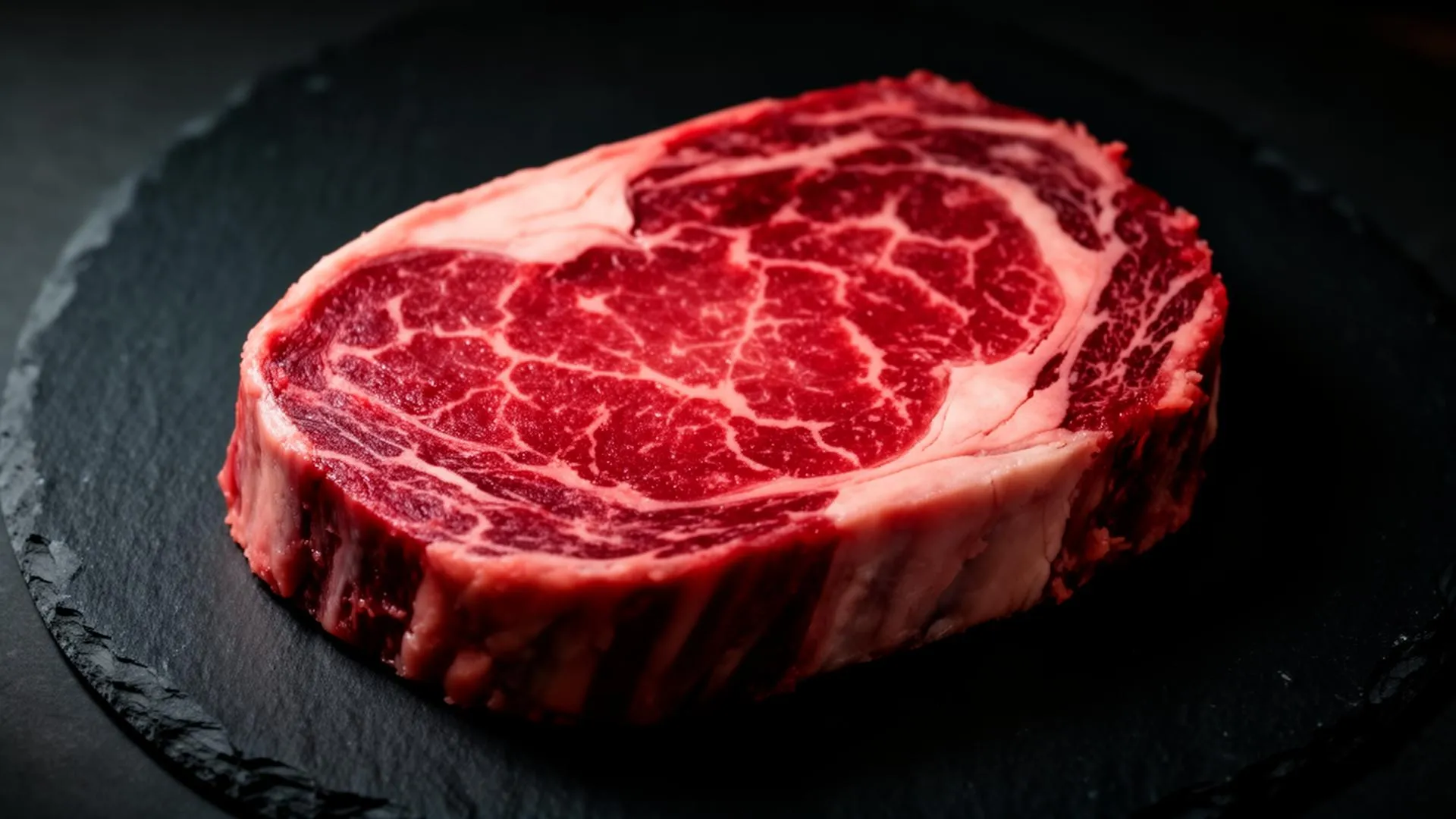
Score any korean cut from a photo
Photograph the cut, choose the KAPE grading frame, and see the result.